
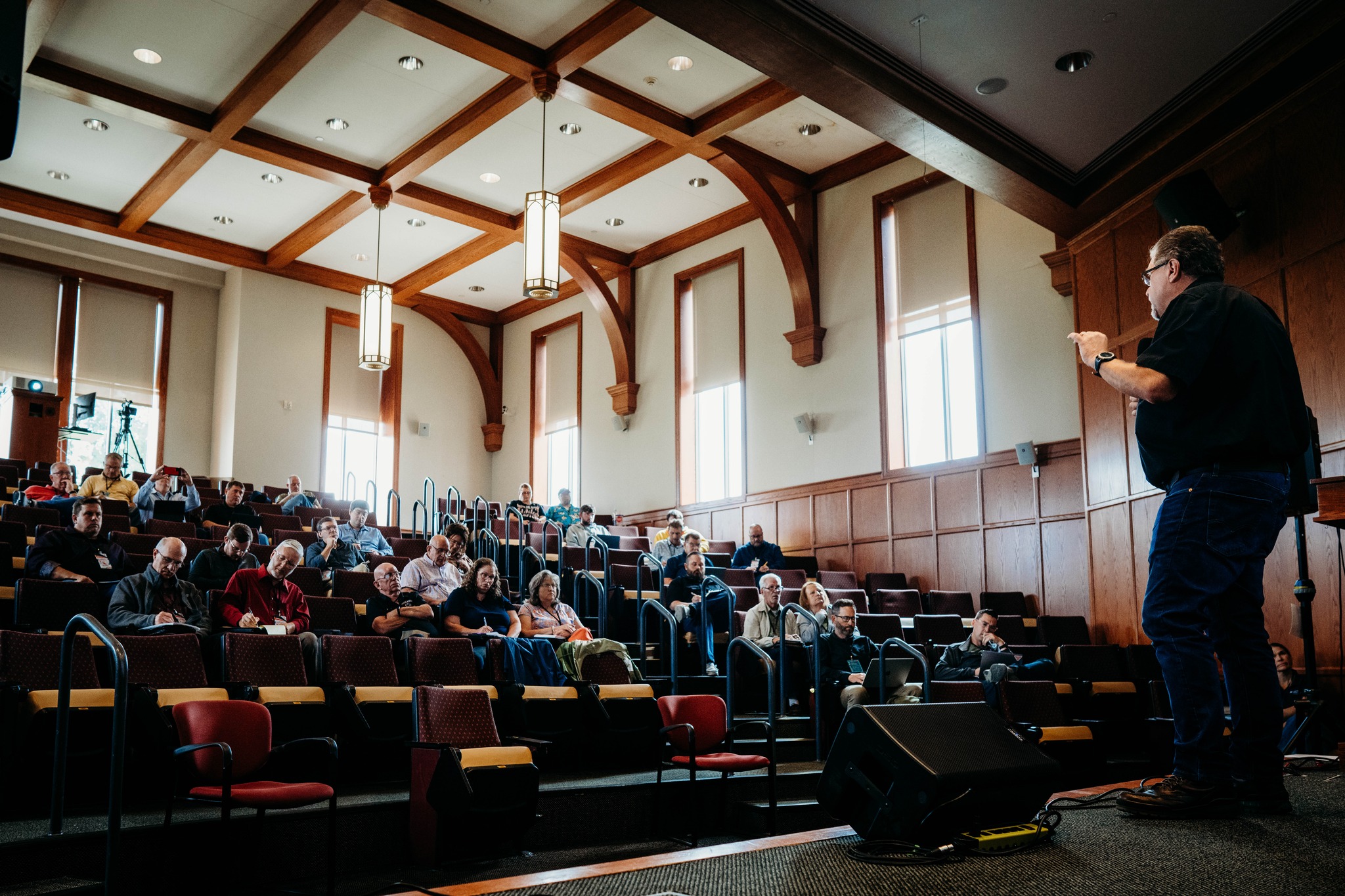
The Center for Rural Ministry hosted nearly one hundred pastors, students, and rural church leaders at Grove City College for the Center’s annual conference in early September. Partners from five denominations and three Christian colleges were also invited to consider how the local rural church should respond to Christ’s call to mission in their own neighborhoods.
Friday Evening Welcome
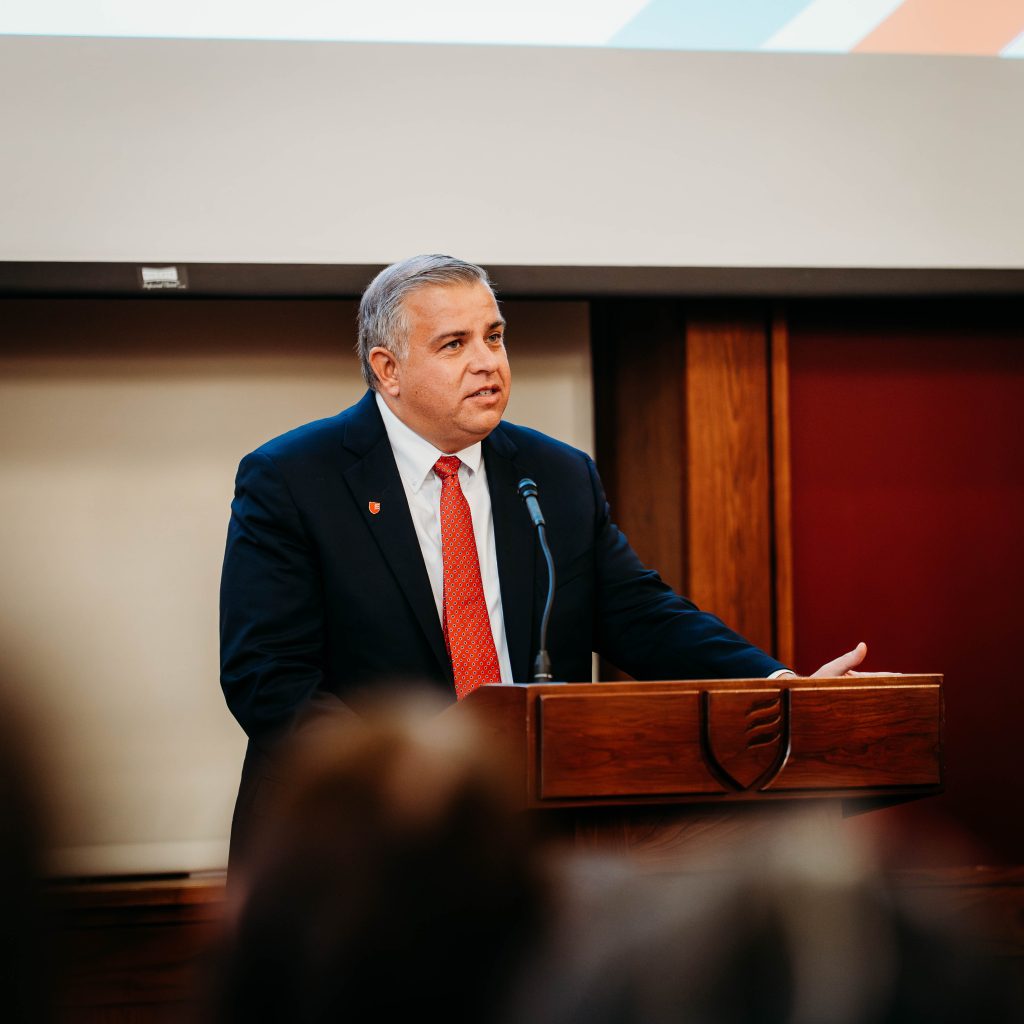
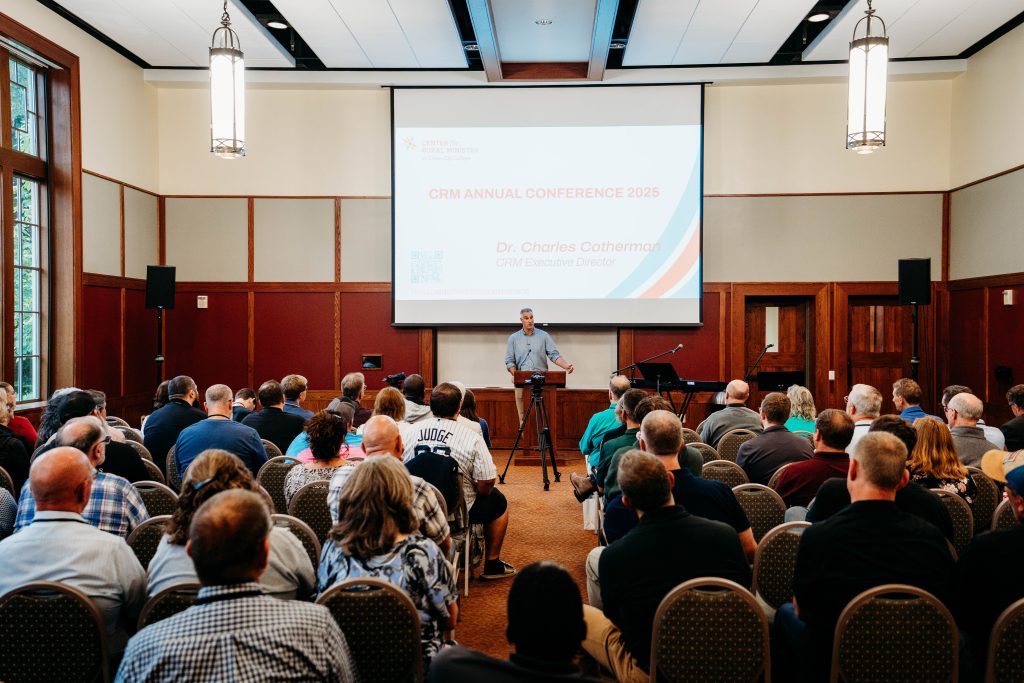
Grove City College’s president, Bradley Lingo, began the conference with a few remarks before passing the audience’s attention to CRM Executive Director Dr. Charlie Cotherman. Cotherman recognized the CRM’s new partners and opened the conference with an address challenging listeners to reconsider how they view partnerships. He acknowledged several reasons our culture fears partnerships, mentioning our society’s tendency to idolize power and autonomy. He then discussed that rural churches can be hesitant to form partnerships because they have few resources to share. He encouraged attendants of the conference to model Paul and Barnabas's friendship in Acts 11, referencing Barnabas's personal investment in Paul’s mission when he brought Paul to Antioch. He cited the book of Acts as a Biblical example of how God used voluntary associations and the church to work together for His mission, and he urged the church to form these types of partnerships with other organizations within their communities. He challenged listeners to be open to forming the partnerships that God has highlighted to them.
A Day of Encouragement and Training
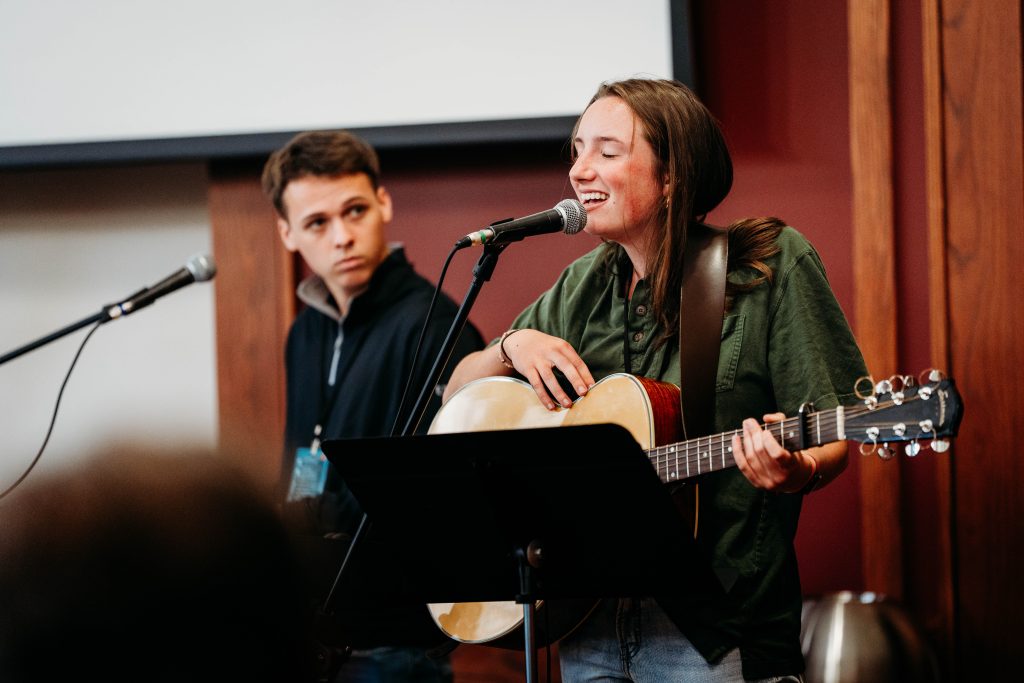
The second day of the conference began with worship and a devotional led by CRM Pastor Liaison Bill Sukolsky. He emphasized our reliance on God’s grace and how it informs what we do, what we trust, what we love, and what shapes us.
Rural church planter and founder of Dirt Roads Network Steve McVey served as this year’s keynote speaker. Over the two days of the conference, he stressed that it is necessary for the church to leave the building. He explained that the church often strives to gather as many people in the sanctuary on Sunday as possible but that it’s more important to be reaching out to those in their communities who need Jesus. He compared the church to a lake with all of its people in one central location and urged listeners to instead act like rivers flowing outwardly into their mission field. He told his personal story of pastoring a church that was formerly close to closing that grew to 120 members as an encouragement to rural missionaries. McVey stressed the importance of sharing the Gospel in rural communities despite cultural assumptions that missionaries need to go where there are many unchurched people stating, “a person’s value is not determined by where they live.” Rural communities experience brokenness, and it is our responsibility as the church to go to them and suffer with them as Jesus left Heaven to come to earth to suffer with us.
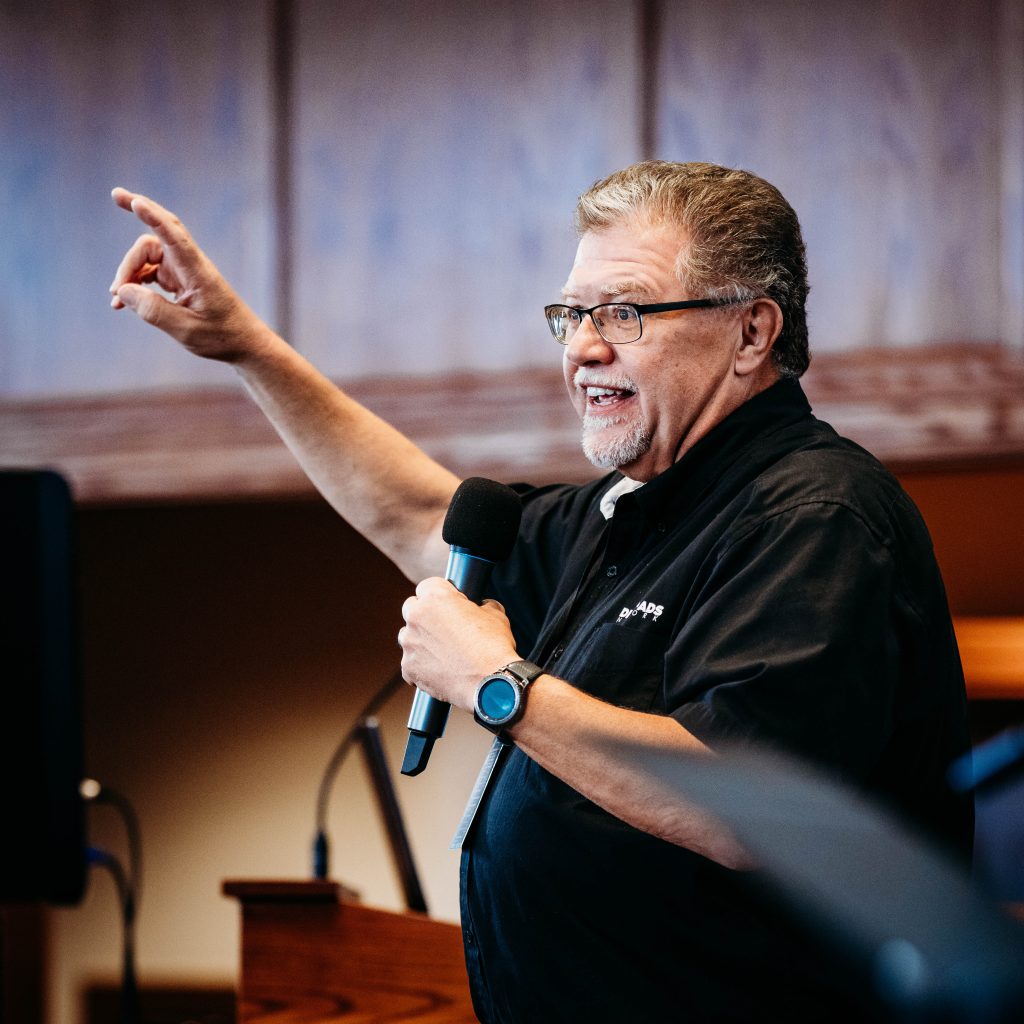
On the second day, McVey elaborated on the rural church’s call to mission. He reminded those attending that they were intentionally placed in their particular congregation by God to engage culture with His truth. He went on to describe some of the road blocks rural pastors face as they honor that call.
Challenge 1: The first is a poor self esteem and false identity. Rural pastors are often pressured to believe that their work is unimportant because they are not pastoring a large group of people. McVey reminded rural pastors that missionaries are not called to build careers, they are called to build the kindgdom of God. He explained that pastors’ value is not determined by the size of their congregation but rather it comes from God calling them to the place where He was placed them at the time He placed them there.
Challenge 2: The second challenge rural pastors face is idolatry of the past. Traditions run deep in rural places, and while this is not always a bad thing, sometimes an overemphasis of tradition can stunt the growth of outreach opportunities. McVey cautioned listeners, “people have a tendency to worship the things that God did rather than the God who did them,” He asked the church to stop worshiping old methods, memories and structures that prevent mission from thriving.
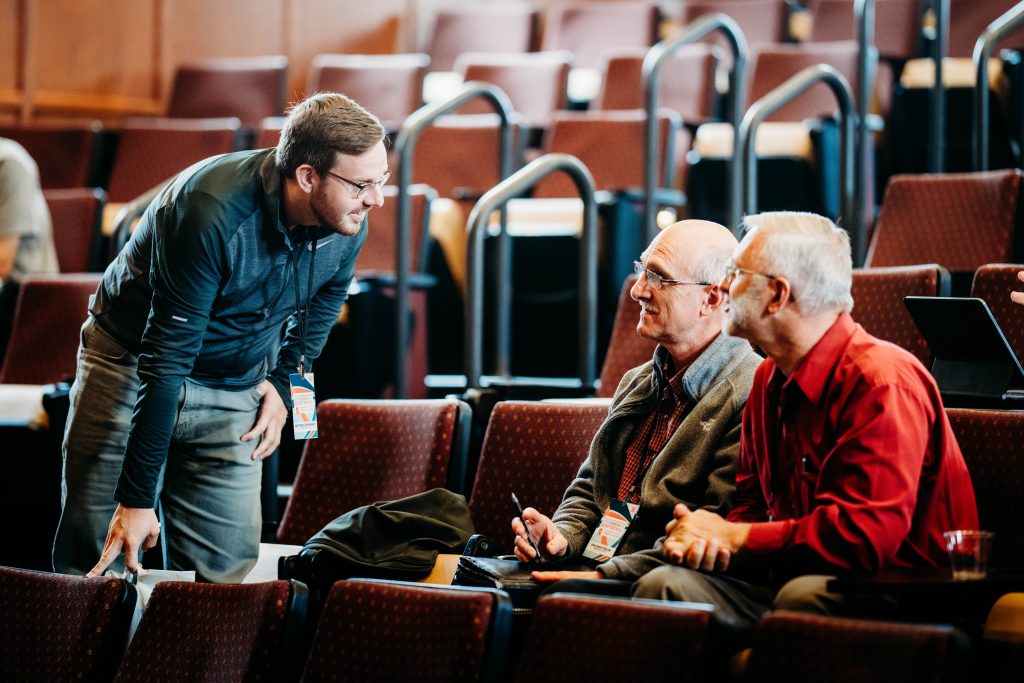
Challenge 3: McVey also explained how a loss of compassion hurts mission efforts. The church exists in a culture that lacks compassion for those who disagree with them. McVey encouraged pastors to be intentional about loving people with different views as they navigate a polarized society.
Breakouts for Learning and Living
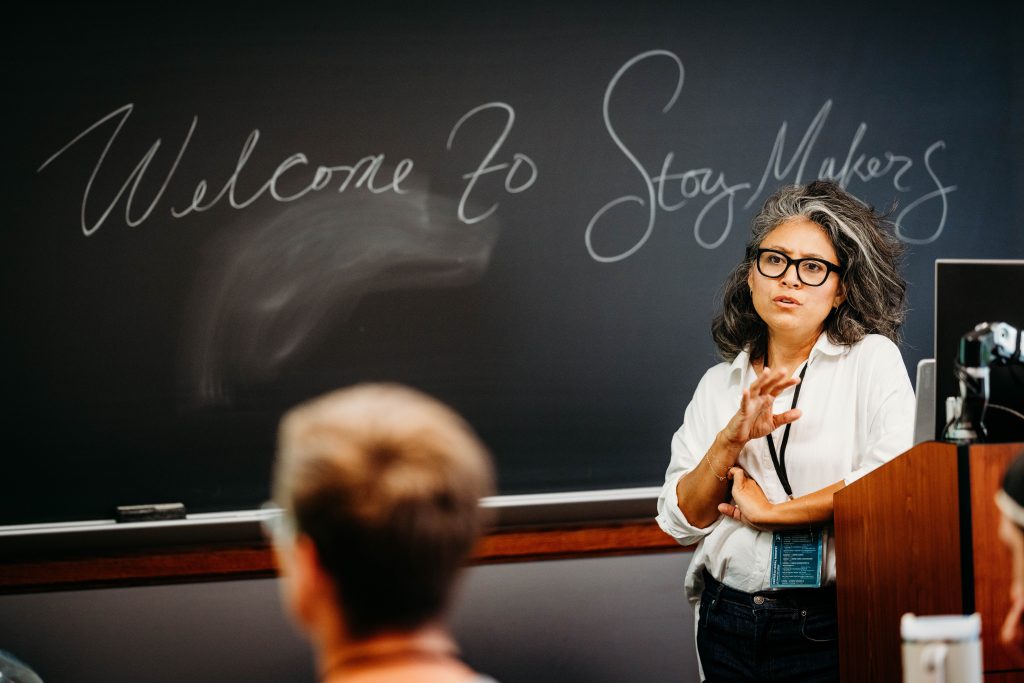
After McVey’s address, attendees were given the opportunity to go to several workshops with other conference speakers. McVey led a workshop on Church Revitalization. Melina Luna Smith, the Founder and Director of StoryMakersNYC Curriculum, shared insights on how to spark faith through the imagination in children’s ministry. Chris Fletcher, the Director of Mobilization for HandiVangelism Ministries presented strategies for sharing the Gospel with members of the congregation with special needs. Grove City College Biblical and Theological Studies professor, Alden McCray, and Associate Dean of Special Programs and Assistant Professor of Theology at Trinity Anglican Seminary, Alex Fogleman, taught about the theology of mission.
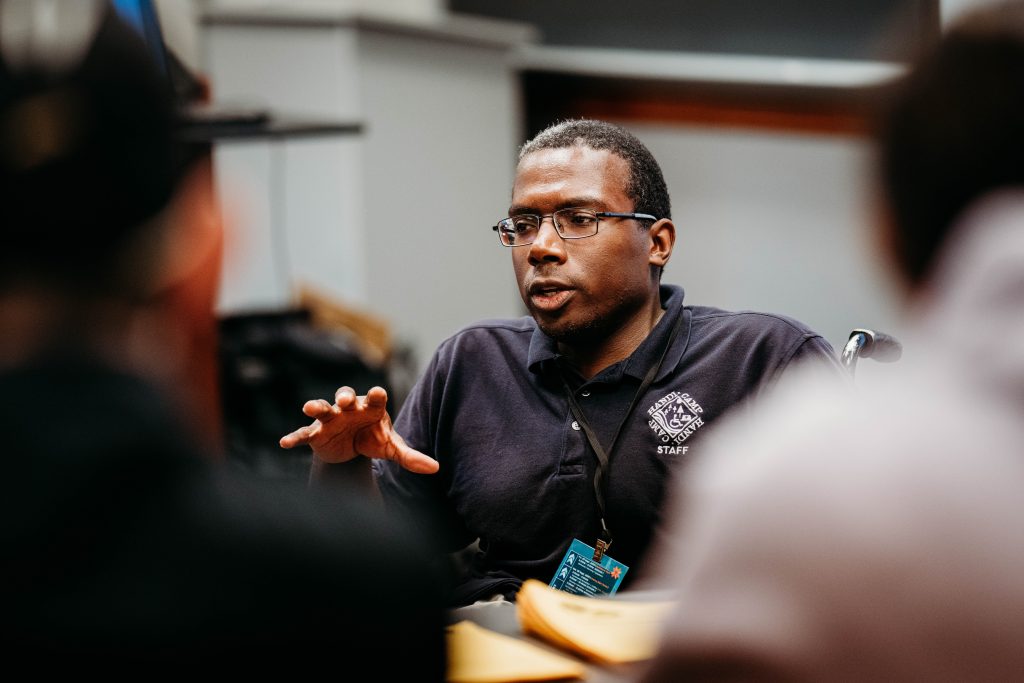
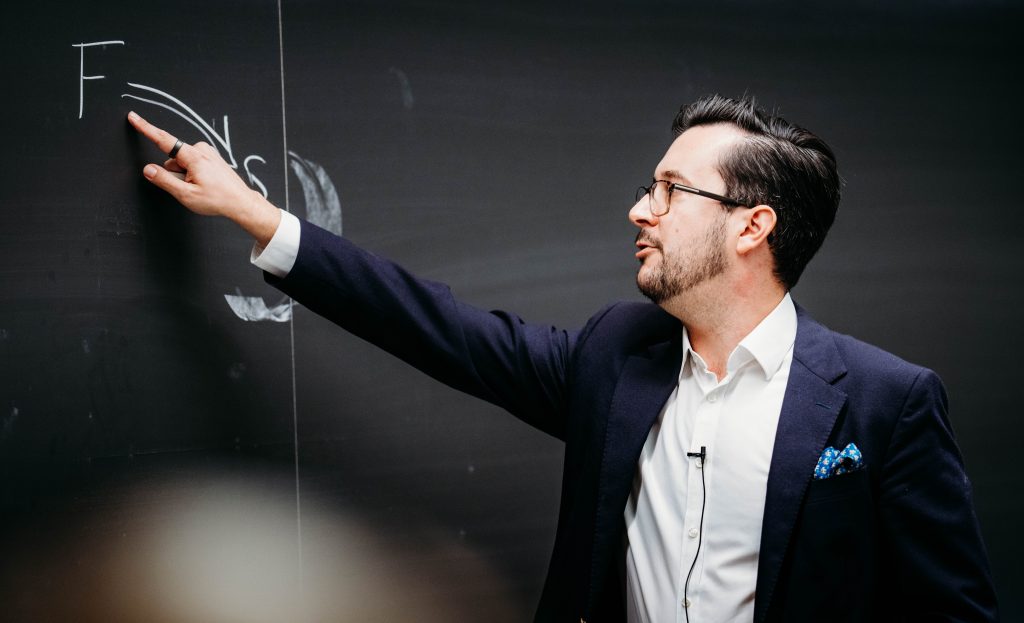
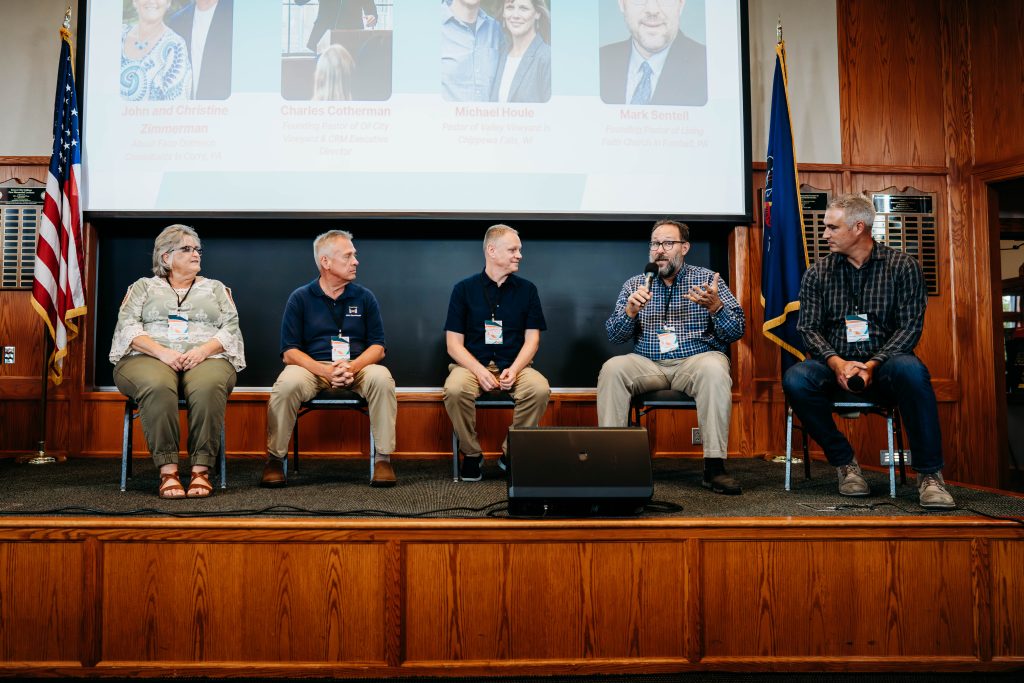
The CRM also hosted a panel of pastors who discussed their experiences leading outreach programs in rural places. The Center premiered a documentary about Living Faith’s Garage Ministry, and the church’s pastor, Mark Sentell, shared more about the ministry as a member of the panel.
Cotherman and McVey closed the conference by inviting visitors to approach the front of the room for a time of prayer. Prayer capped the conference’s call for churches to leave the building equipped to respond to Christ’s call to mission in their rural backyards.

Emily Fox is a senior at Grove City College and a CRM Student Fellow. She grew up in Beaver Falls, Pennsylvania and is studying English with minors in Writing and Digital Marketing at the college. Post-grad, she hopes to pursue a career in Public Relations.

