

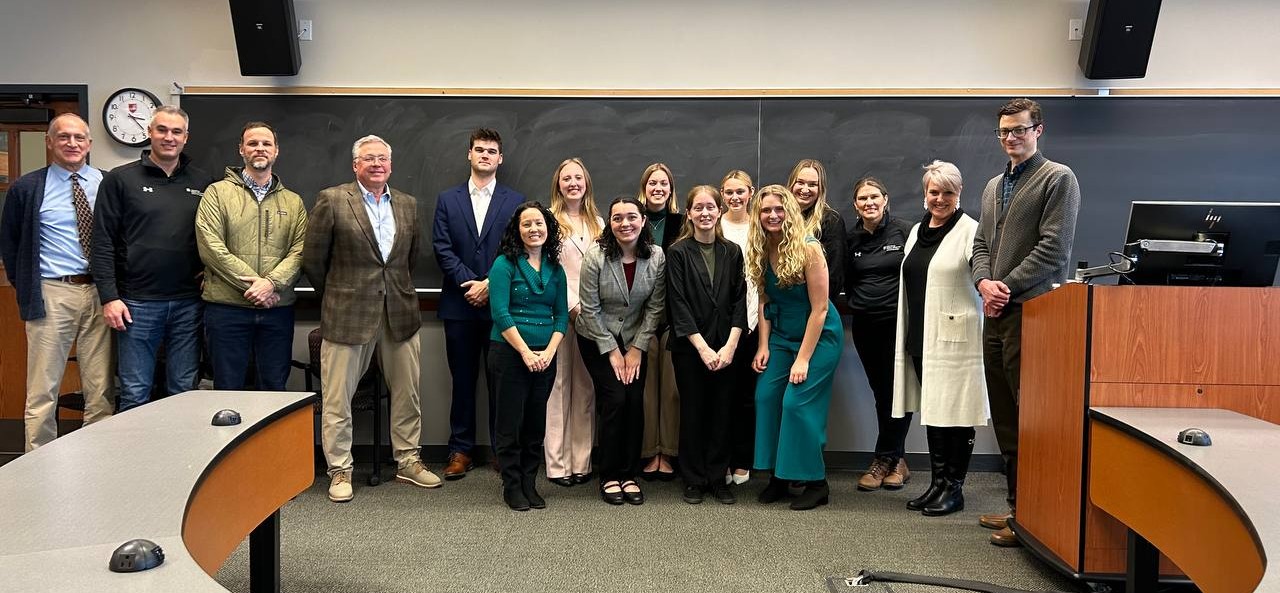
In late 2024, the Center for Rural Ministry partnered with Grove City College Prof. Shannon Barrios and her Communication Research Methods class to survey GCC students on their church attendance and involvement. I had the opportunity to consult with the students to design questions, and they ran with it from there—survey writing, recruitment, and initial analysis. Over 300 students eventually completed the survey.
The CRM wants to share some of the basic insights we learned regarding why young adults attend, serve, or lead at the churches they do.
1) Preach the Word
By far, the most important element students identified for the church they attend is the sermon. We believe students want to know the Scriptures better and are looking for teaching that will point them to Biblical truth. Other trappings of worship services have some impact, but young adults will stick in a congregation where they believe a pastor is seriously expounding the Word under the guidance of the Holy Spirit.
2) Lean into your church’s identity
At a place like Grove City College, many students come with a commitment to a particular denomination or theological tradition; we know others of their generation might be more likely to be exploring a faith community for the first time. Whether your community looks like the population of GCC students or not, we also know that college or early adulthood are times where people make some of their first choices about how to worship, which means they’re often willing to try something outside of their normal comfort zone—as long as it feels purposeful and authentic.
So, tell the story of your church and tradition effectively. What makes your theological tradition distinctive and meaningful for how you follow Christ and build His kingdom? Unpack the songs and liturgies of your service to show how they motivate the worship of the people in your congregation.
Through the phones in their pockets, young adults have access to flash-in-the-pan trends all the time. Churches don’t need to compete with that, and many young adults actually want communities that feel more anchored.
3) Encourage intergenerational connections
While our survey may have seeded the idea through one of our questions, most of the students expressed a desire for spiritual and life mentorship or already have a mentor. Other research has demonstrated that intergenerational relationships provide meaningful guidance when, again, cultures and trends can move quickly. The wisdom you have developed through riding out multiple stages of life and cycles of culture can help those stepping into something new to keep perspective on the work of God in the world and in their lives.
One statistic often used to raise concern is the graying of the American church. From a mentorship perspective, however, these shifting demographics can be an asset if your church is intentionally inviting emerging adults into caring and authentic community that will give generously of the insight of lives that have seen it all and can point to Christ as the answer.
4) Lay a foundation of service
Over half of the students taking the survey reported being involved in serving in their home churches at least once a month. At school, those numbers drop. Many reasons could be given, such as the intensity of student life. We also know that some students have been able to find very meaningful involvement in local churches, which we hear through CRM initiatives like Plowshare.
Your church can help young adults learn about the joys of serving the body of Christ and the wider community through a local congregation while balancing the pressures of school, work, and family—laying a groundwork for decades of meaningful discipleship to a local church rather than a consumeristic mindset.
Creative Ways to Involve Young Adults in the Life of Your Congregation
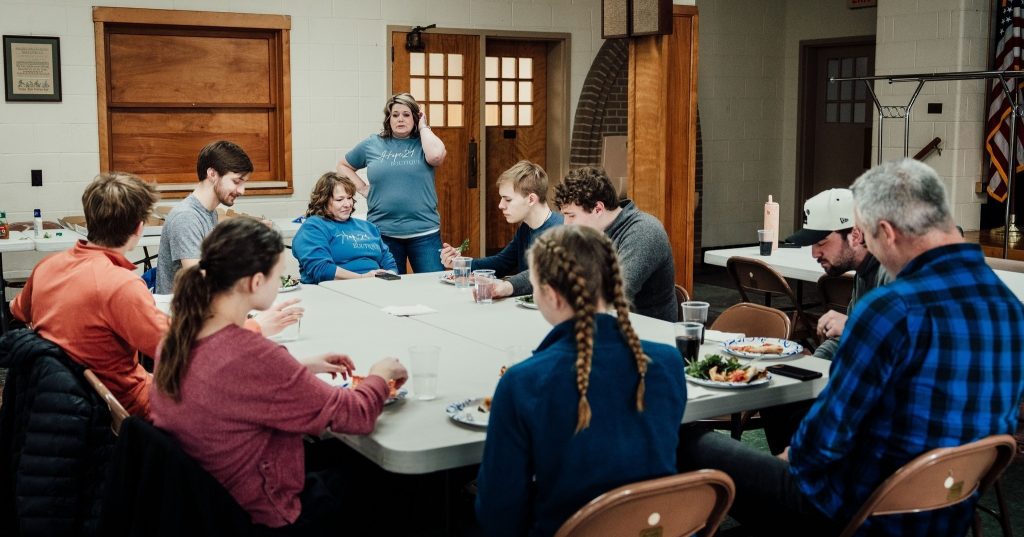
We know churches feel the need for musicians and those who can work with children and youth the most; churches that encounter young adults with skills in those areas will engage them quickly. But young adults with gifts to listen well, show hospitality, or organize people might be overlooked more. Perhaps service for young adults in your church might look like going to lunch once a month or making a poster for an upcoming service project. Get to know the young adults and make a low pressure ask that connects with their gifts, and you might unlock a committed volunteer.
Faith outlets are reporting a variety of revival-like movements in colleges and universities across the nation. Local churches have an opportunity to disciple emerging adults who are looking for authentic expressions of worship and congregations full of people with changed lives sharing their stories.

Born and raised in Topeka, KS, Adam moved east for college and never left. He is assistant director of the Center for Rural Ministry and an associate professor of English and writing at Grove City College. Adam has published several articles in education journals that focus on the use of language in educational settings. He is currently engaged in several research projects designed to help us better understand rural congregations and the communities they serve.

