
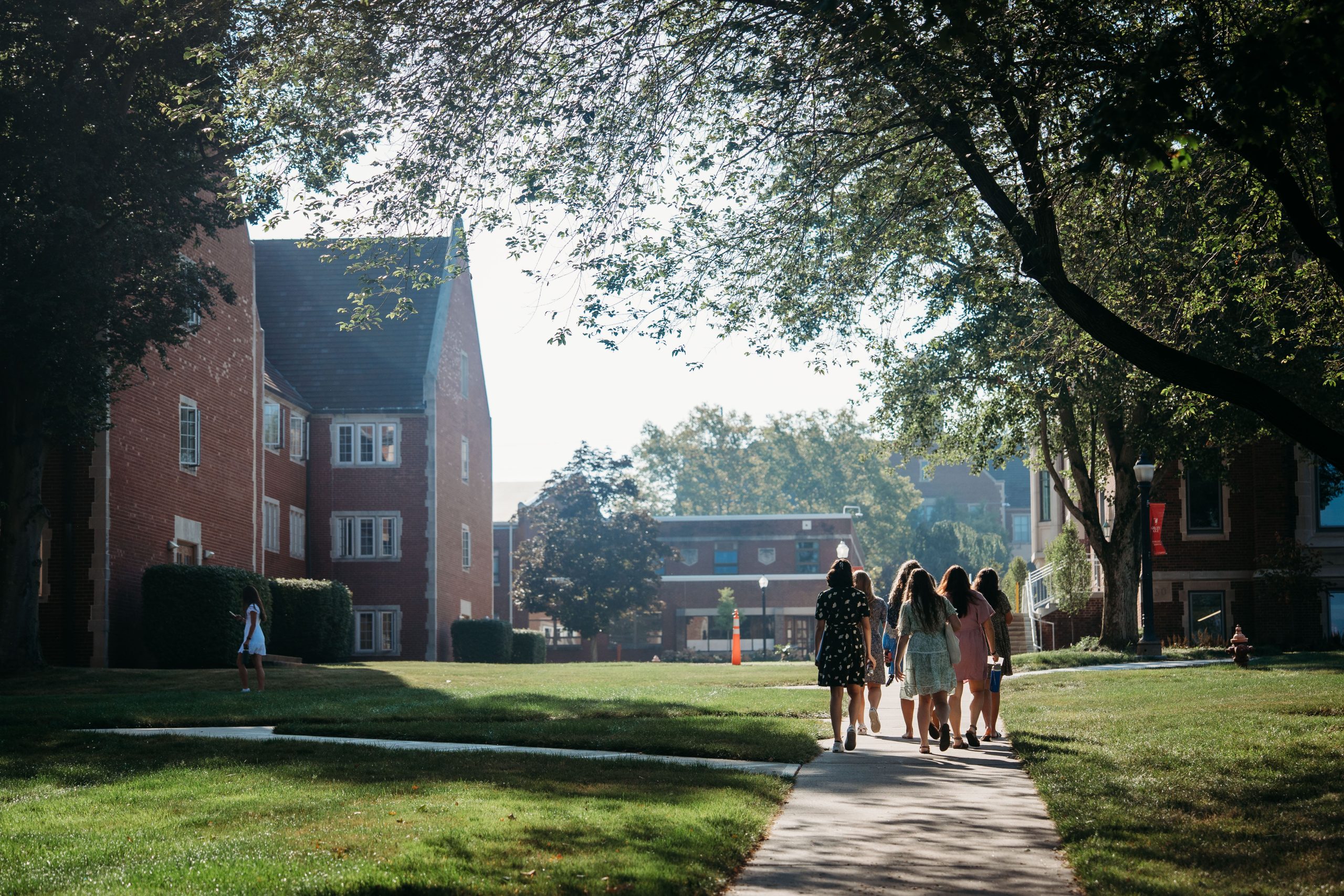
This Fall, an estimated 3.9 million new freshmen will arrive on American college campuses to begin their higher education journey, with over 1,000 institutions classified as rural-serving institutions and collectively enrolling more than 1.6 million students (McNamee, 2024). When considering the average traditional college student, these individuals are among the most capable, enthusiastic, and forward-thinking in America. They have time availability, typically without the constraints of a job, family, or regular commitments outside their class schedule and campus involvement. College students are typically enthusiastic about serving, as many attend school to become equipped to serve their country and/or community in some way, or at the very least to become qualified for their chosen career fields. Many will engage in local community service endeavors, such as tutoring school-aged children, rescuing and distributing food, and doing trash or lawn clean-up.
As scholar George Kuh (2008) posited, connecting locally to give back in service is a high-impact practice that can positively add value to a student’s retention (staying in College from semester to semester) and persistence (making it to graduation). These experiences are important for college students as methods of involvement outside the class, access to mentorship with older adults, and environments where they can apply what they’re learning in the classroom to real-life situations.
What Do College Students Have to Offer the Local Church?
The local church can reap many benefits from college student outreach and engagement. First, the Bible has a lot to say about connecting and developing the next generation, namely through the passing down of wisdom, tradition, and knowledge of God. Deuteronomy 6:6-7, and similarly Psalm 78:4-7, call God’s people to pass down the law to their children and children’s children.
Second, because of the time students have available to commit to activities outside of the classroom, many students may be more able to serve in local church environments in ways that employment-focused adults cannot. For instance, college students may be more able to commit to serving in a youth group or children’s ministry setting that calls for late-night service hours. College students may also be more able to connect with middle and high school students in ways that 30- or 40-something adults cannot.
A third reason to make the effort to engage with college students is that they are generally more on the cusp of new technology and its applicability to society than older adults. These students may be able to assist in addressing technology usage in Sunday services, digital connection on social media platforms, or graphic design with newly available design tools.
What Steps Can Churches Near Campus Communities Take to Build Connection with Students?
There are quite a few other great reasons to emphasize connection to the local college and students outside of these. But not all churches have equal amounts of resources, people, or finances to commit to the effort that might be needed for outreach. Here are just a couple of ways that churches can accomplish some measure of outreach and prepare themselves to engage with students this Fall:
1) Host a table at involvement or resource fairs
Many colleges will offer new students an involvement fair, resource fair, or local organizations fair as a way to connect and get involved on and off campus. These events are easy and great opportunities to have a presence on campus, with new students' attention focused on involvement. If your church has not already been contacted, identify the Director of Orientation or Student Activities on your local college website and email them to ask if they offer this kind of event for new students and how you can sign up to host a table.
If the opportunity is available, then prepare in advance to make a splash, as this could be one of the best ways to engage students early. Think critically about how you want to present your church. Get a tablecloth, display pictures from your congregation and church events, showcase events and volunteer opportunities, and have items to represent your church that they can take with them (students love food and coffee!). It is also important to think about the “who” that will represent your church at that table. It is not always the best idea to send folks who will need to sit down the entire time, or who are a little less open and exuberant, and may not come across as engaging. If you have a Youth Pastor, this is typically the person you want on this endeavor.
2) Help with new student move-in
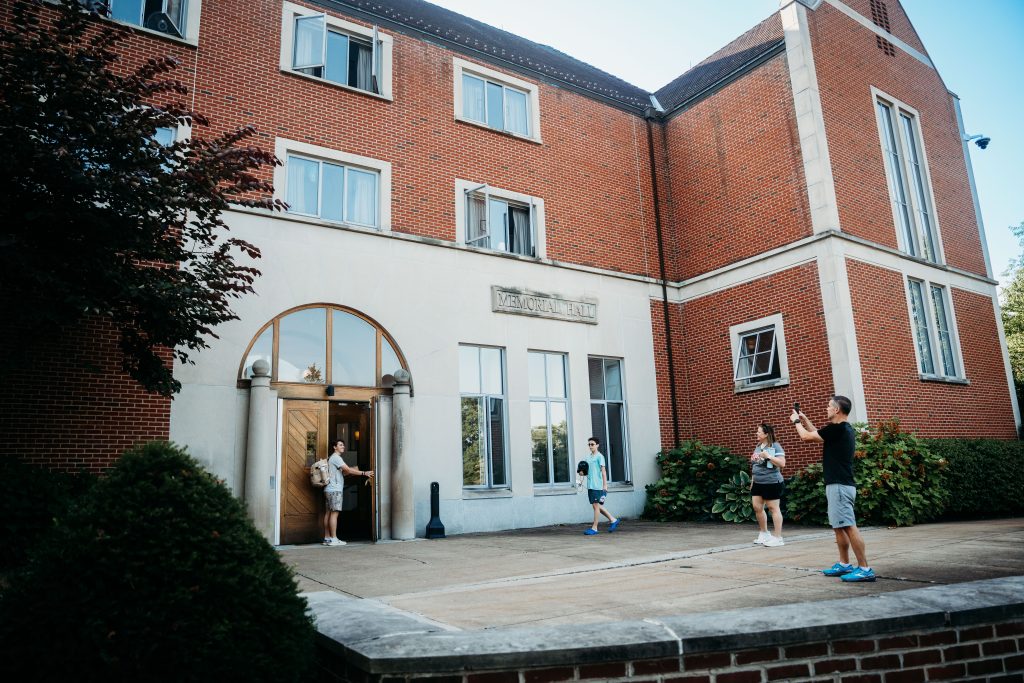
Many colleges could always use more assistance with moving new students into the residence halls on move-in day, or at least in supporting the effort. Identify the Dean of Students or Director of Residence Life/Housing on your local college website and reach out to see if you and a team of volunteers from your church can get involved in a move-in crew, or at the very least in handing out bottles of water. Many colleges will jump at the chance to have greater assistance. Ministry of presence is a great way to showcase your church and its place in the community.
3) Support college ministry professionals who may be serving as missionaries to the local college.
There are numerous organizations that equip and send college ministry professionals to make disciples and build the kingdom at colleges across America, including InterVarsity Christian Fellowship, Cru, Coalition for Christian Outreach, The Navigators, DiscipleMakers, and The Salt Company—just to name a few.
The majority of these ministry professionals fully fundraise their salaries to do the work and are dependent on local connections to make that happen. If your church sets a portion of the budget aside to support missionaries, consider connecting with one or more of these professionals from your local college to offer to join their ministry as a financial partner (and volunteer). Many Christian students involved in these ministries will often connect with local churches that support their campus minister or the organization chapter where the student is involved. Identify opportunities through a simple search on EveryCampus.com, a networked map of present gospel communities on college campuses in America. Financially supporting campus ministry professionals is also a great way to engage in college ministry if church bodies are not able to do so themselves.
There are many reasons to connect with local college students and methods to do so that a rural church can follow. Ultimately, local ministry professionals will need to identify if the rural college campus is a place they are called to be part of, if ministering to college students and involving them in the work of ministry is part of their churches ministry plan, and at what level they can commit the resources of time, talent, and treasure to doing the work of outreach.
References
Kuh, George D. (2008). “High-impact educational practices: What they are, who has access to them, and why they matter.” AAC&U, Washington, D.C.
McNamee, T.C. (2024). “Rural-located institutions and rural-serving institutions: What we know and where we go from here.” ACE: American Council on Education. https://www.acenet.edu/Documents/Rural-Located-Rural-Serving-Institutions.pdf

Eric Fehr is the Assistant Dean of Student Life at Grove City College and an Adjunct Professor in the Geneva College Master of Arts in Higher Education program. He is currently pursuing a Doctor of Education in Higher Education Leadership from Union University, where his research is focused on the impact of Greek organization involvement on male student engagement at Christian institutions of higher education. He and his wife have been involved in the local, rural church since they were students at Longwood University and involved in the InterVarsity Christian Fellowship on campus.

