
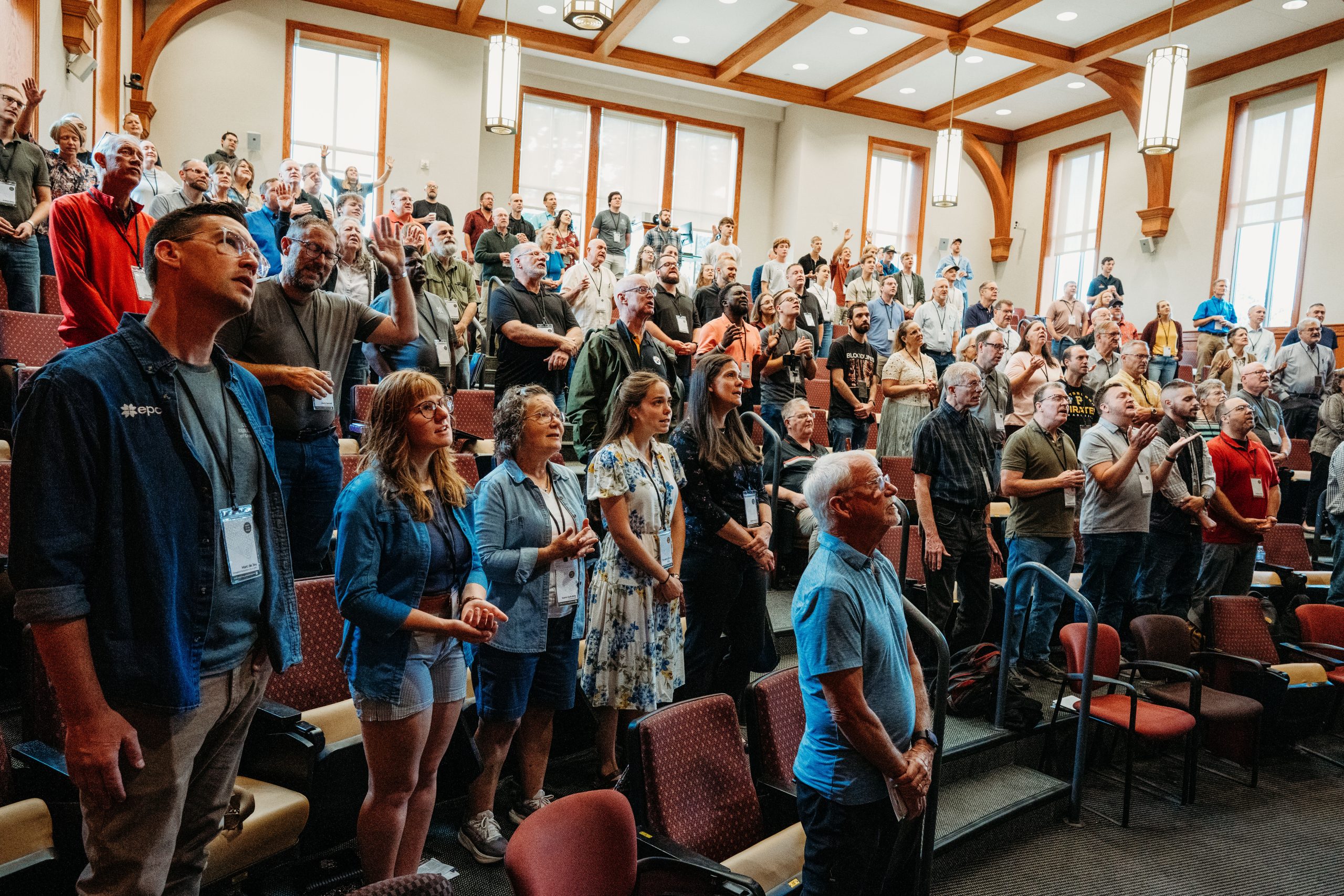
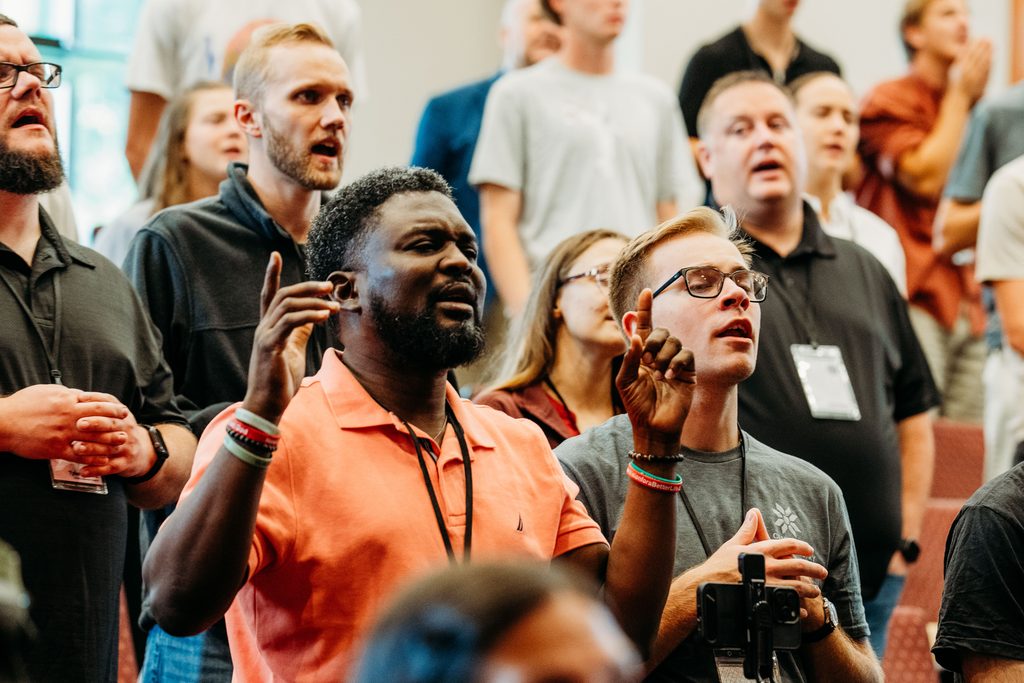
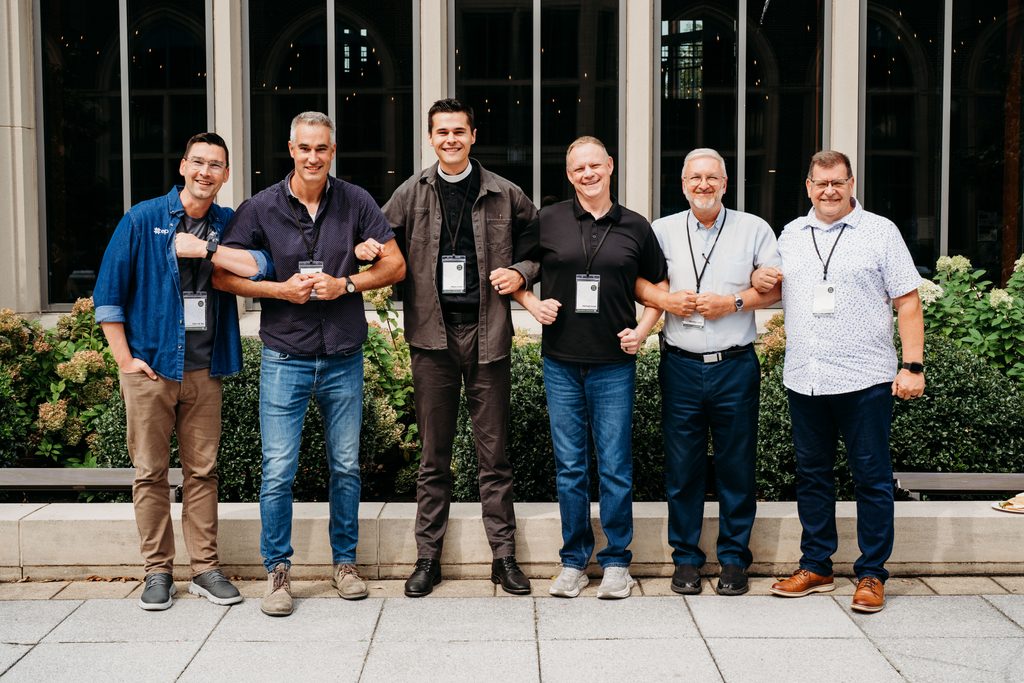
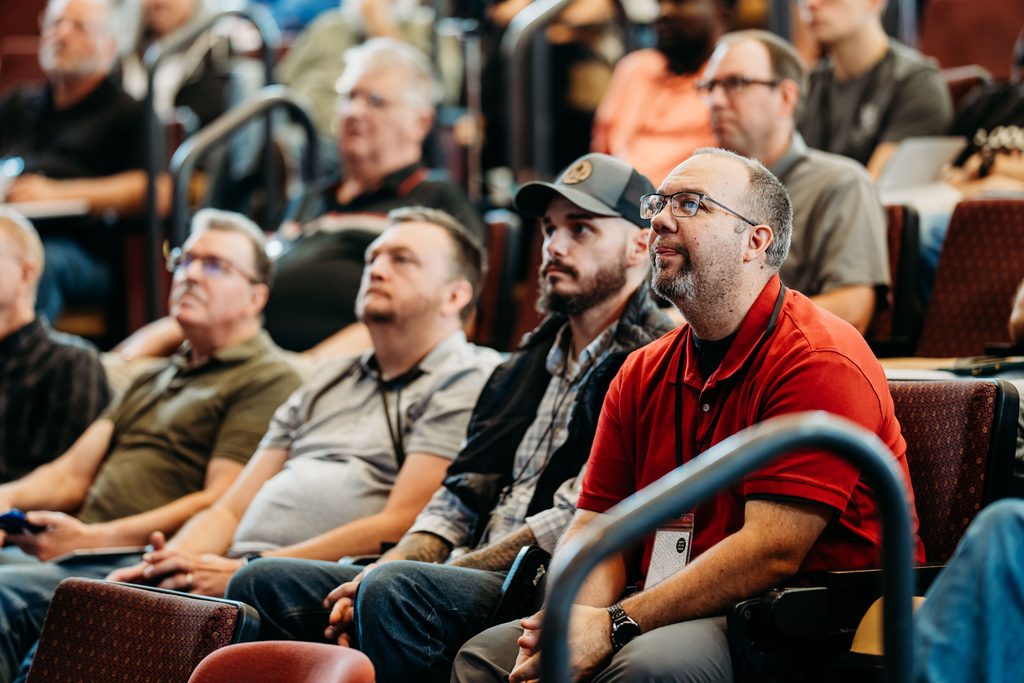
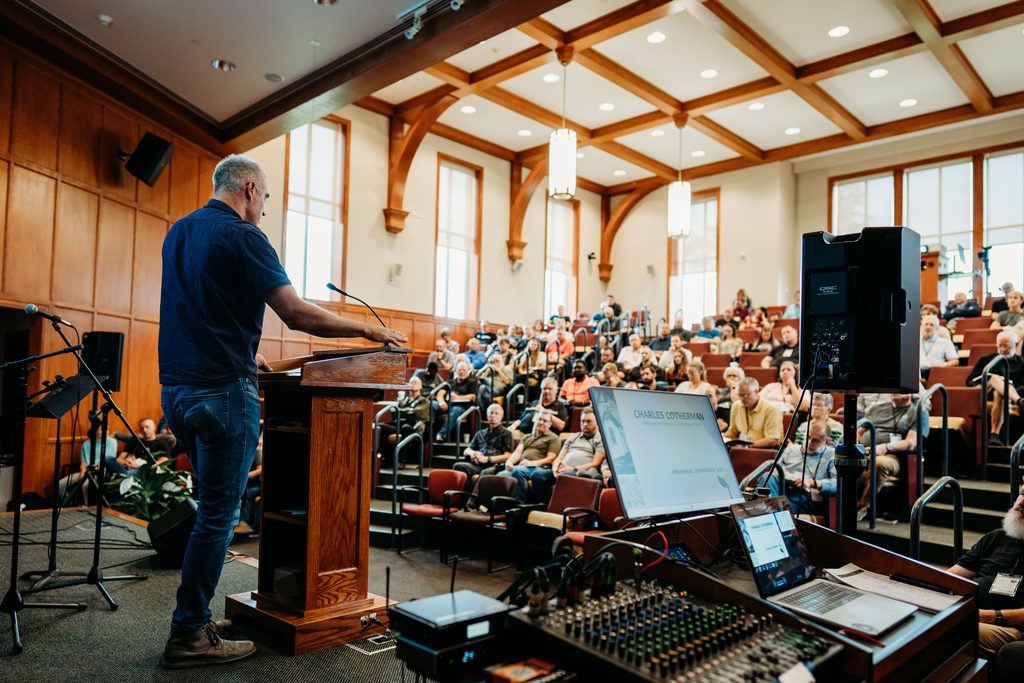
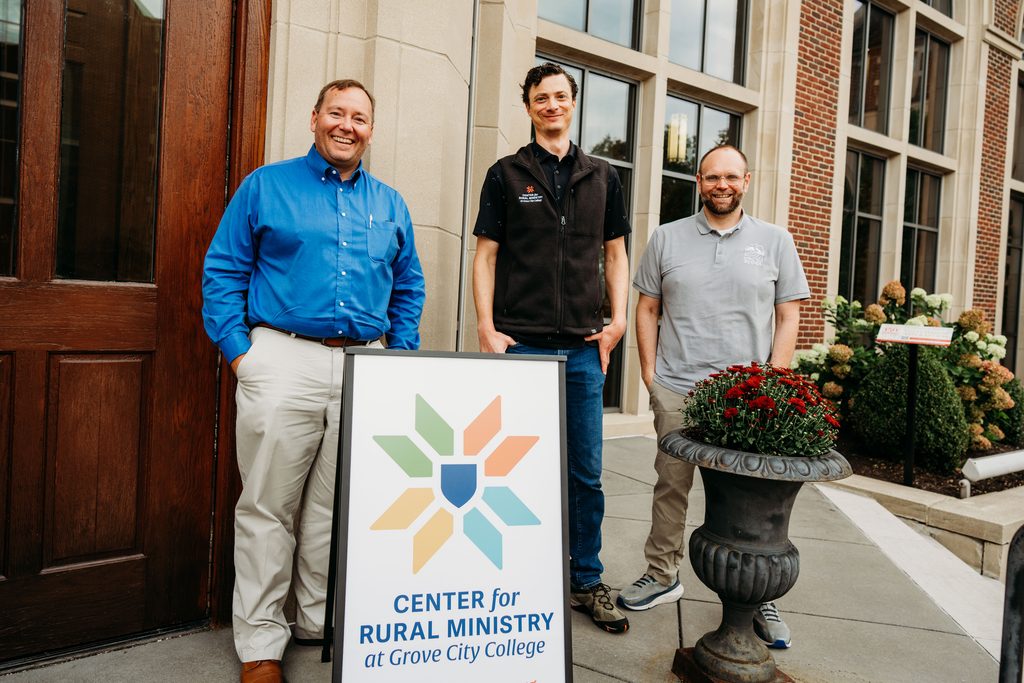
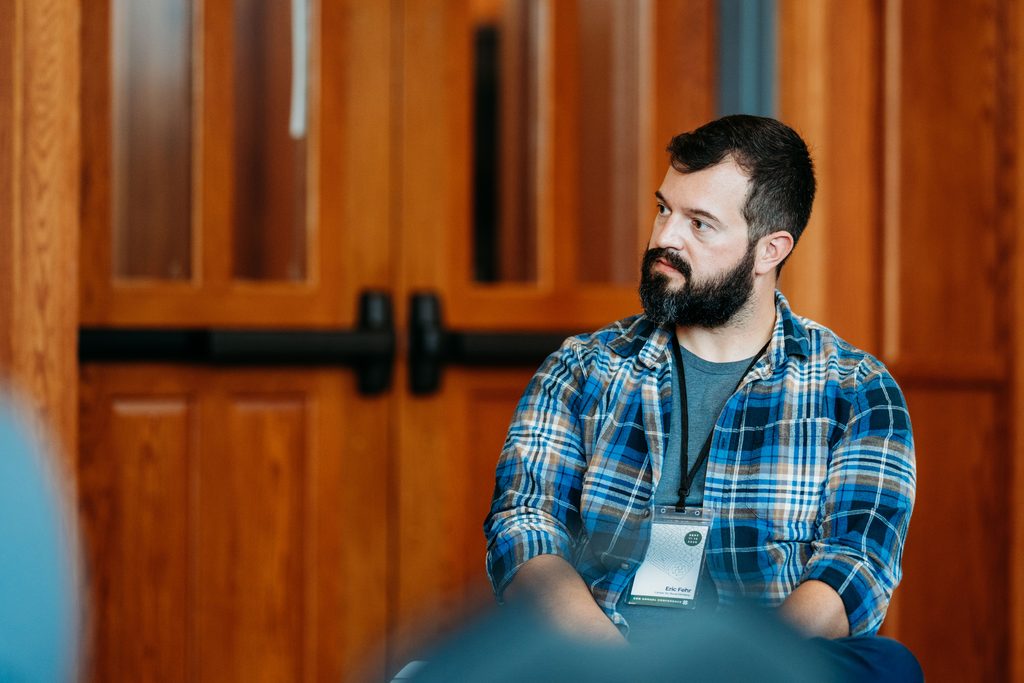
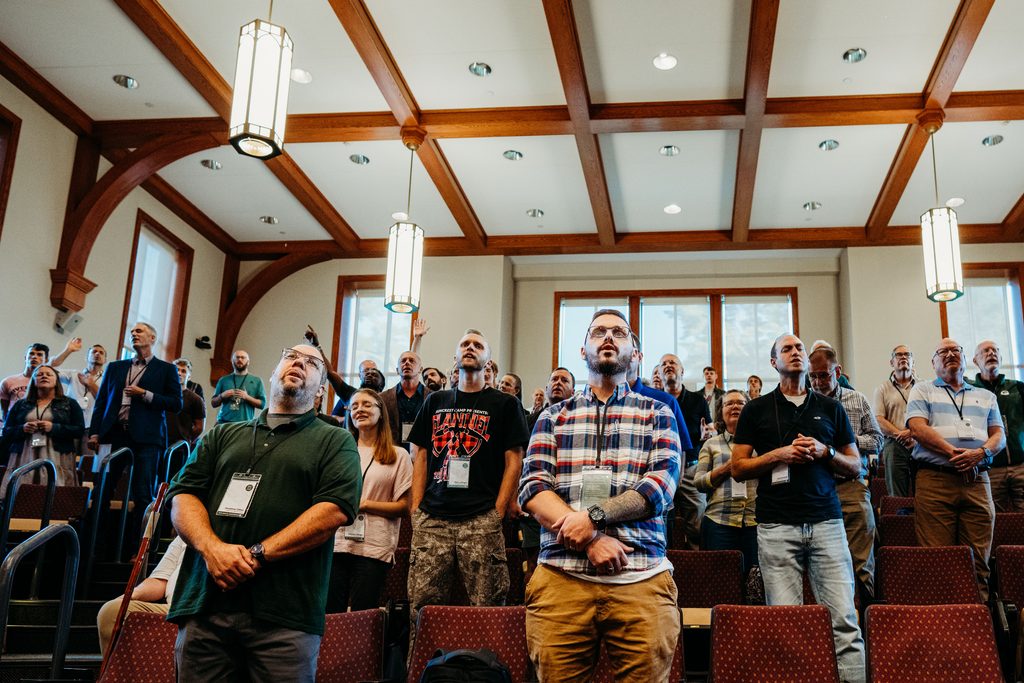
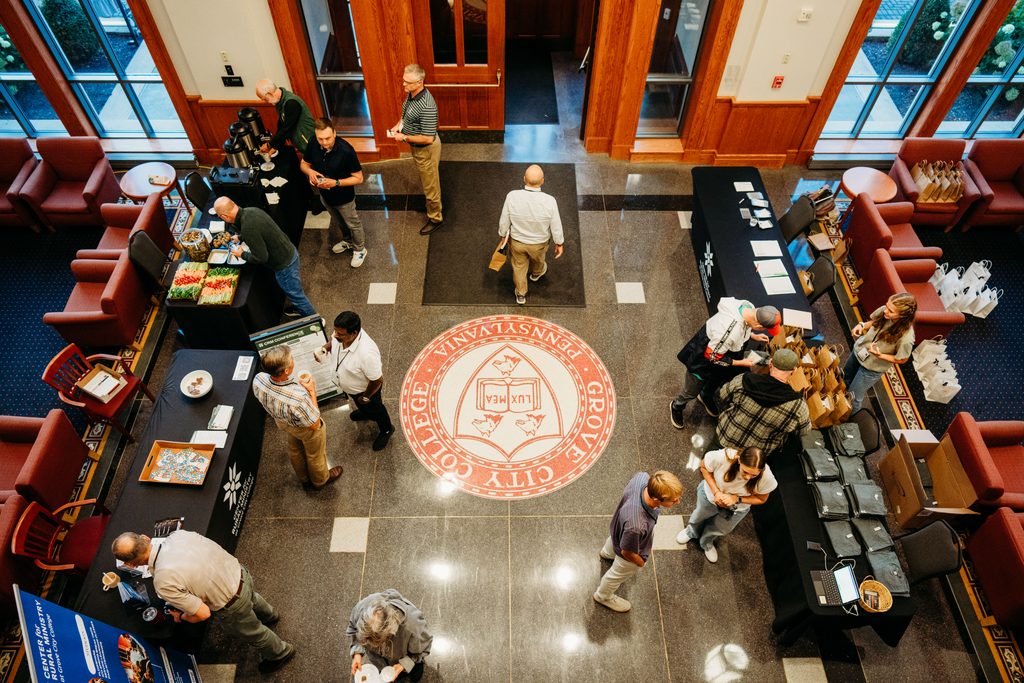
September 11 and 12 at Grove City College saw the sixth – and largest - annual CRM conference. The conference brought together pastors, ministry leaders, students and college faculty representing many denominational backgrounds from across the region to discuss being “Rooted: Cultivating Faithful Presence.”
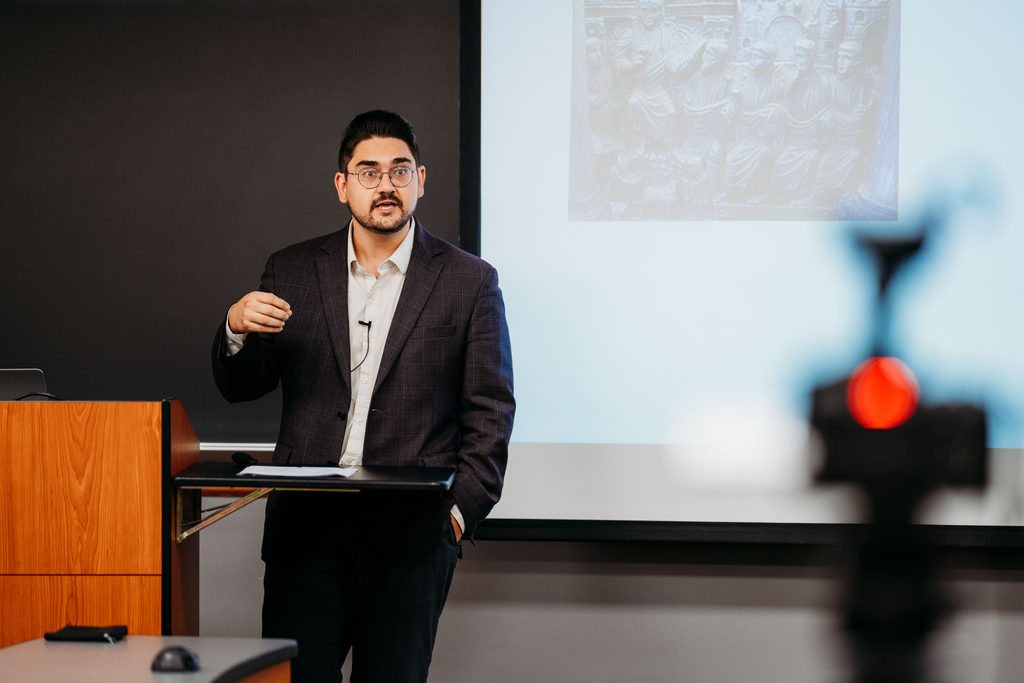
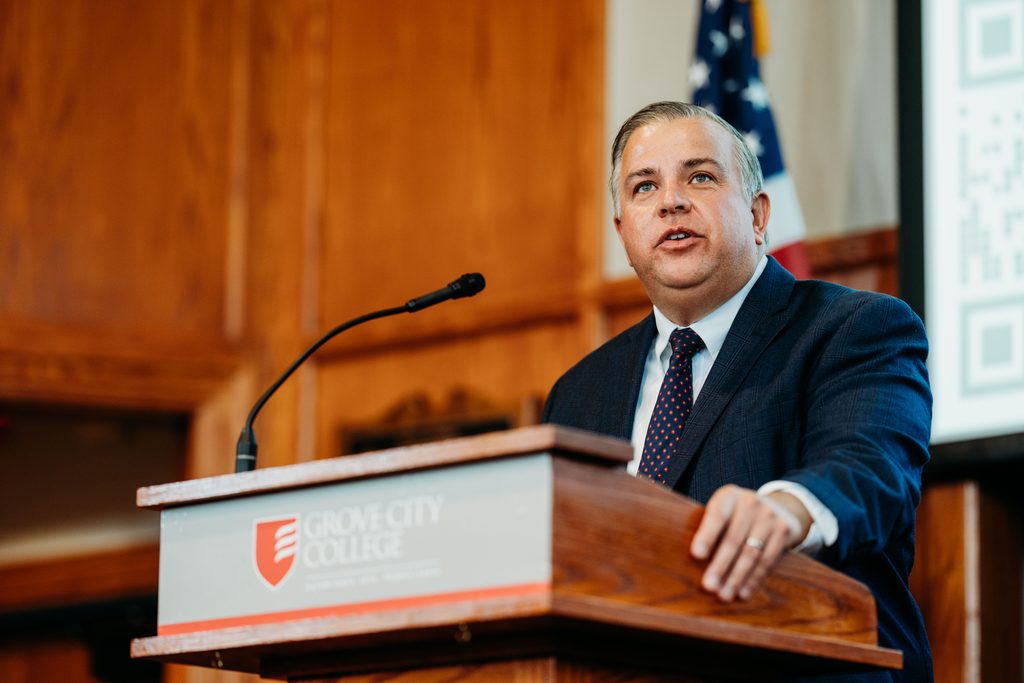
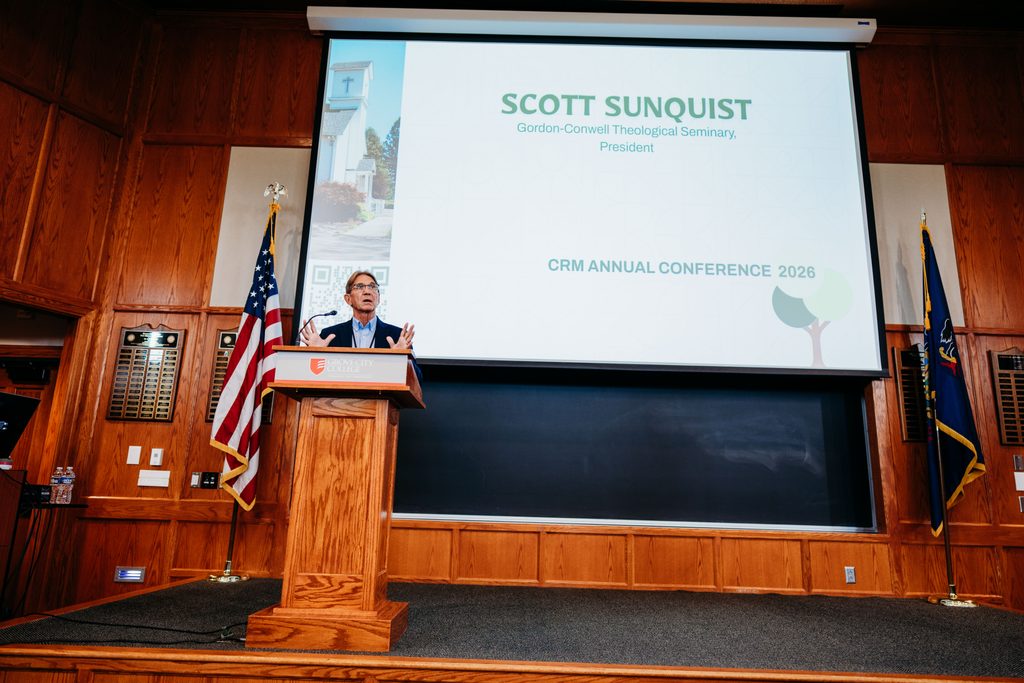
Keynote addresses were offered by Dr. Scott W. Sunquist, who has served as president and professor of missiology at Gordon-Conwell Theological Seminary since 2019, and Pastor Joel Seymour, who is the Super Regional Leader for Vineyard USA.
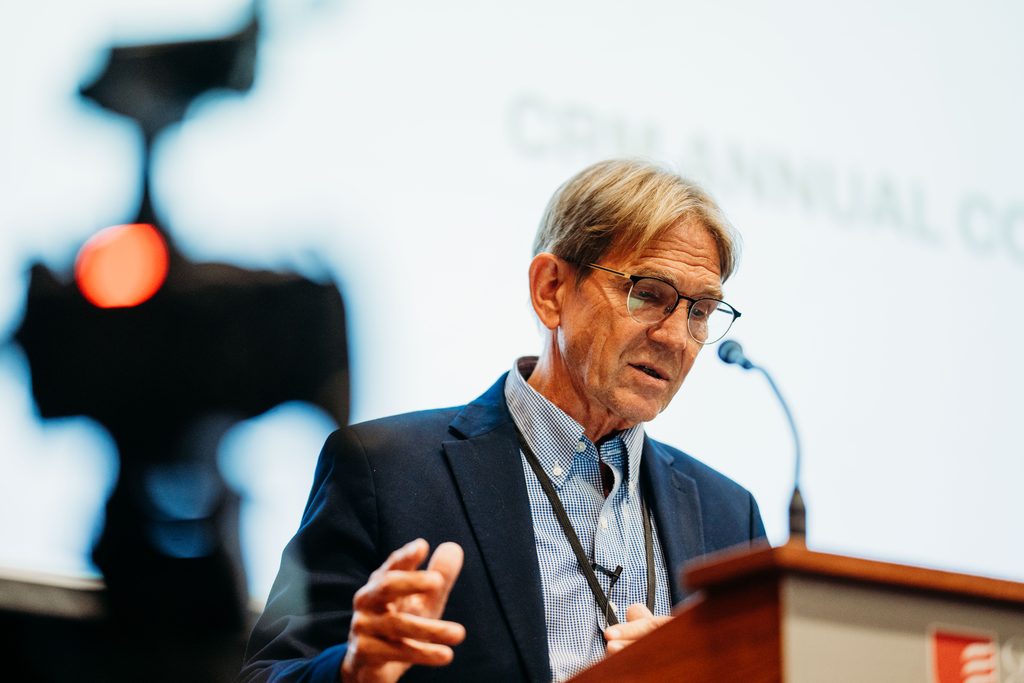
Scott Sunquist focused attention on friendship, and the power of close relationships to carry us through times of hardship and grief. “The archetypal relationship we have with Jesus is the model and reason for all other relationships,” he said.
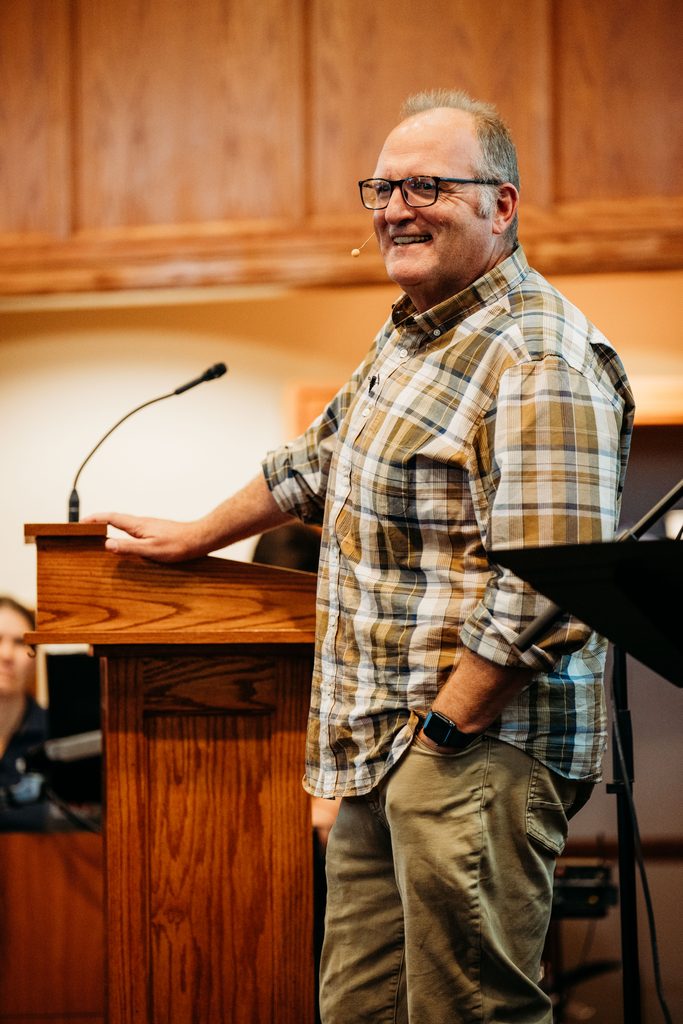
Joel Seymour’s call to the audience was to consider the unique needs of the communities in which they have been placed. How can our churches be so integral to a community that the community couldn’t imagine the church disappearing?
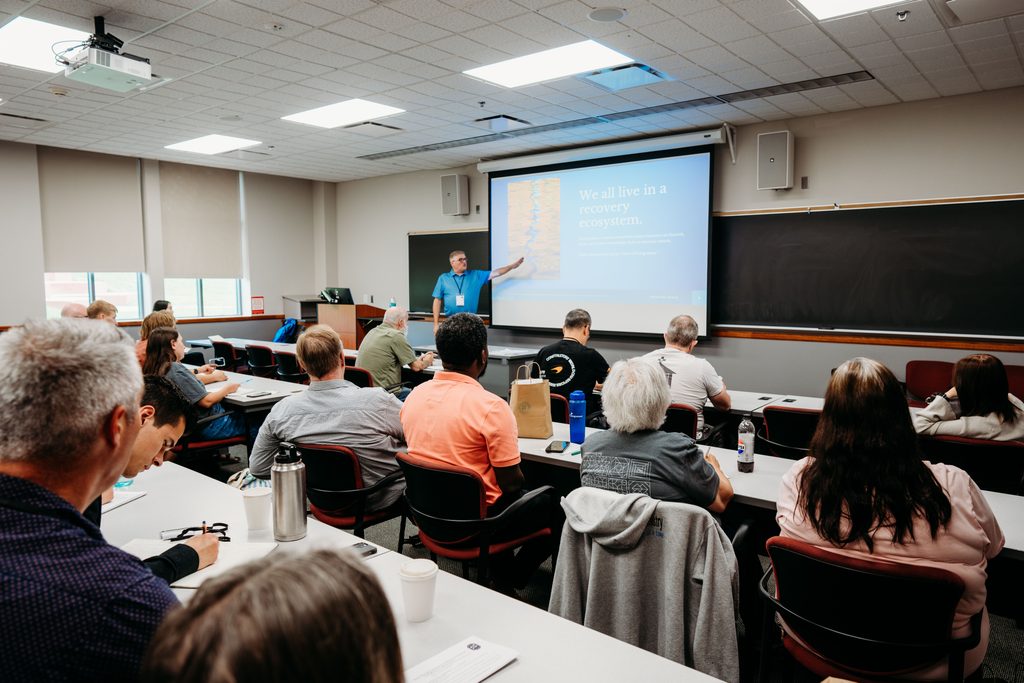
Attendees could also choose from four different workshop tracks, focusing on church history, youth ministry, college campus ministry, and ‘radical hospitality’ through ministries like recovery programs.
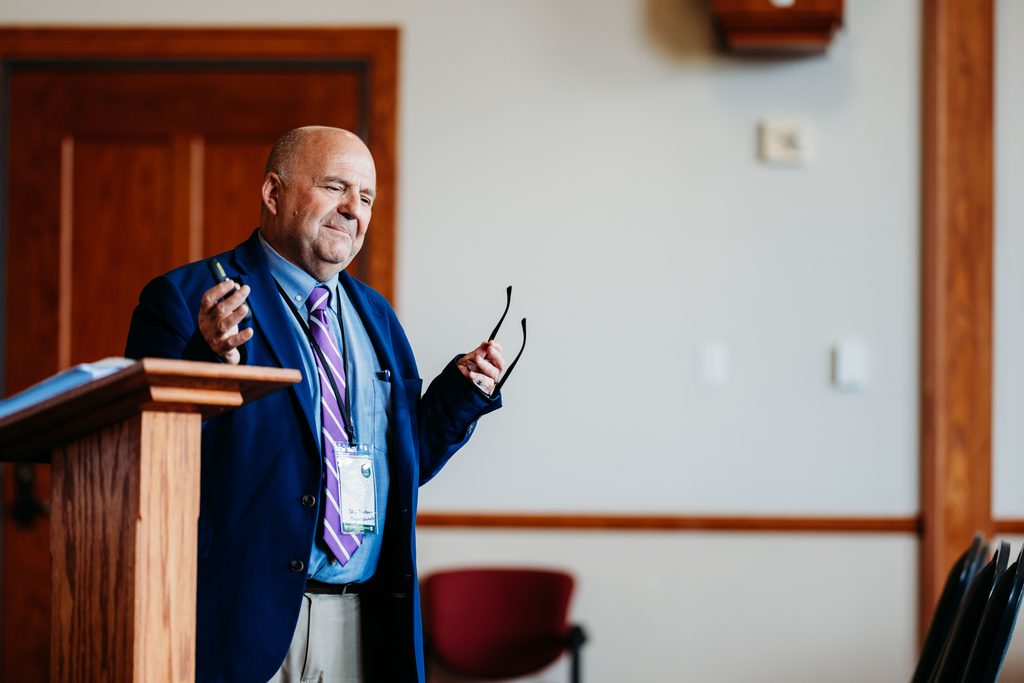
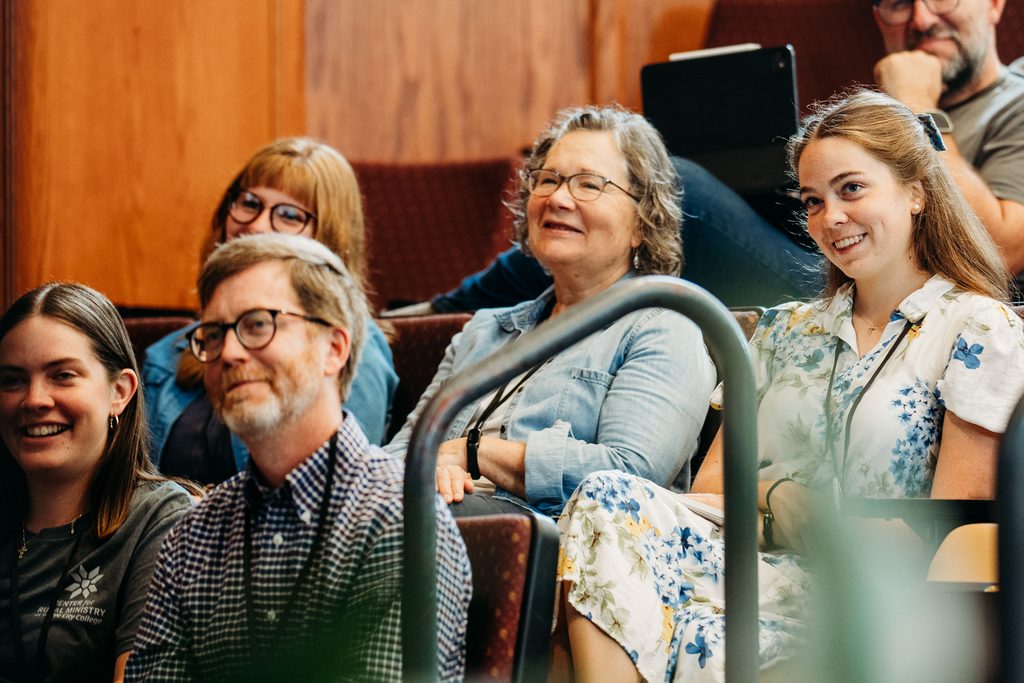
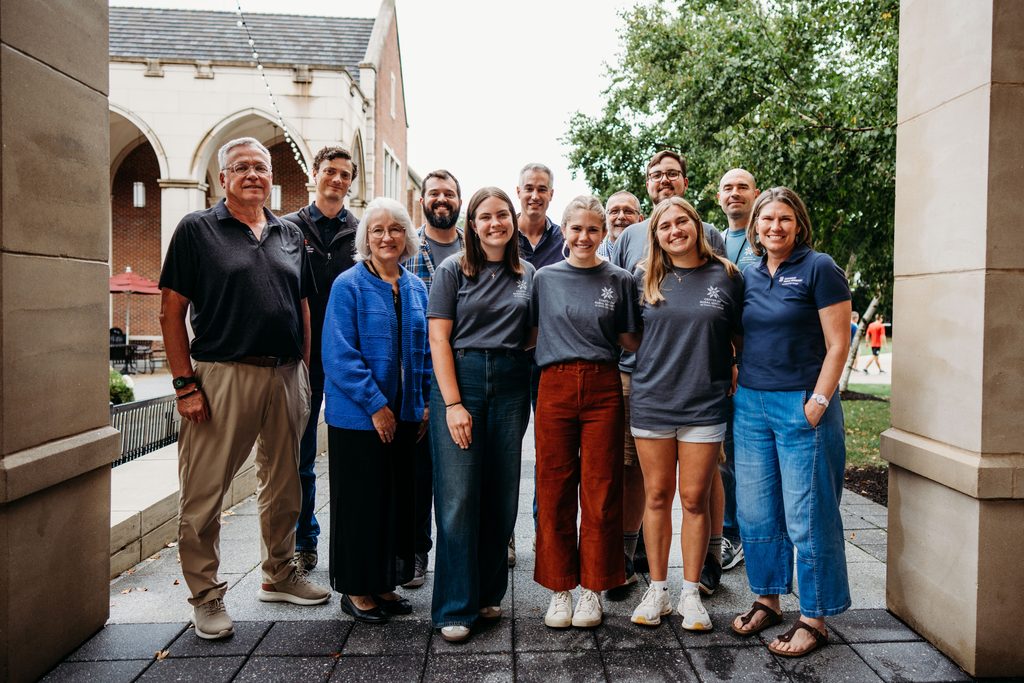
For some attendees, the conference was an inaugural interaction with the CRM. Three faculty members and five students from Taylor University in Upland, Indiana, travelled to the conference. They were representatives of Taylor’s Rural Ministry Initiative, which shares commonalities with the CRM such as a Plowshare program and affinity groups. The Rural Ministry Initiative Director, Dr. Tommy Carrington, and VP for Student Development and Intercollegiate Athletics, Dr. Skip Trudeau, shared about their institution’s experiences with rural ministry programs in several workshop sessions.
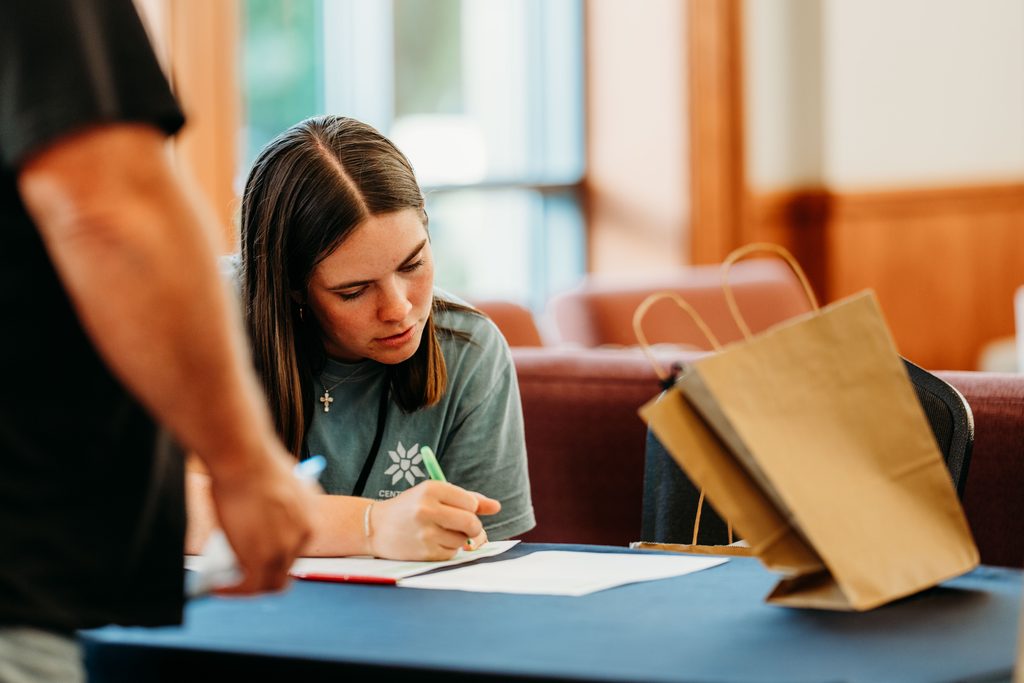
CRM Student Fellow Madelyn Taliaferro also enjoyed her first CRM conference, especially noting the beauty of the interdenominational dialogue that occurred in the lineup of talks. “Being at the annual conference has given me a greater appreciation for churches that don’t necessarily teach the same things that I grew up with, and it was really encouraging to see a group of people unified, in Christ, but also with their specific calling in their place, not necessarily their denomination or church tradition,” Taliaferro explained.
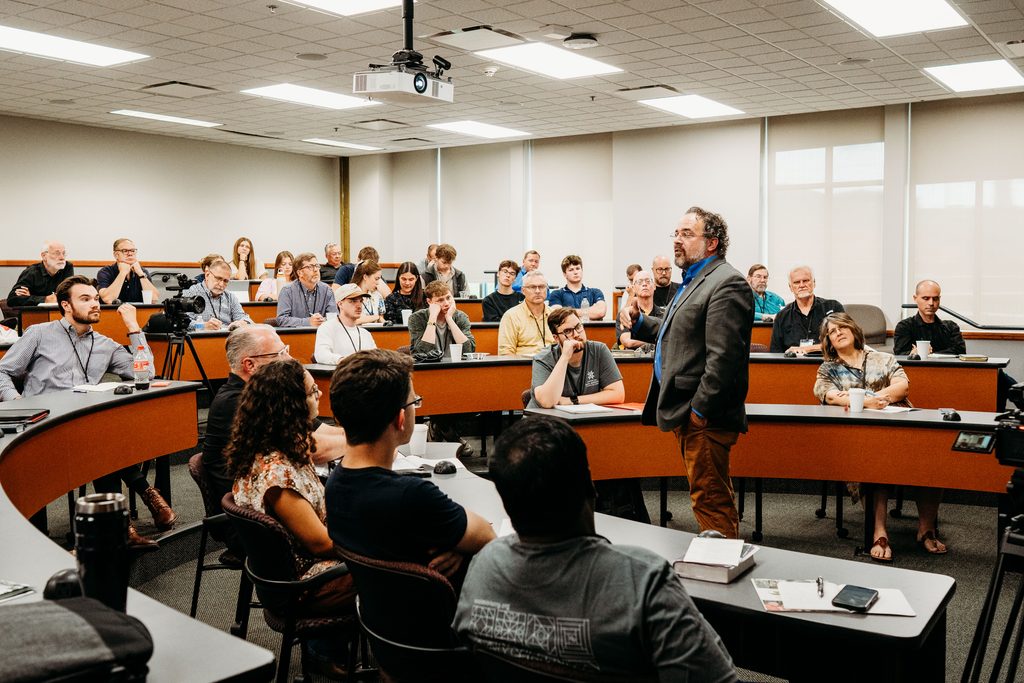
For other attendees, like myself, the conference has become a well-loved fall tradition. I have enjoyed the annual weekend of mutual encouragement and thoughtful discussion about the unique joys and challenges of rural ministry, but this year’s conference was especially meaningful.
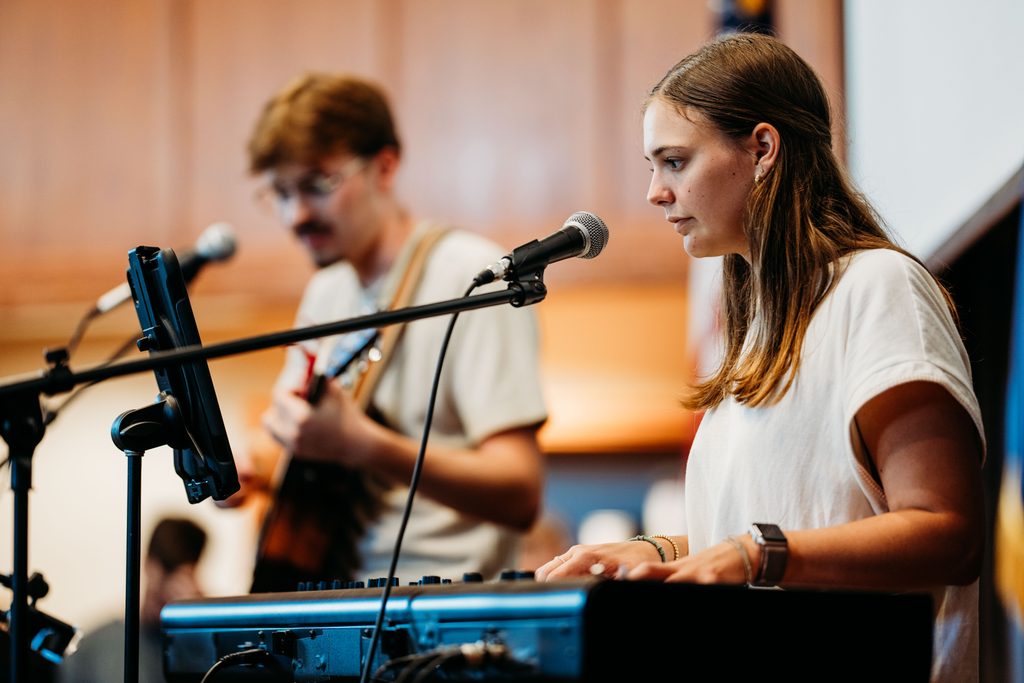
It was encouraging to worship and fellowship with a record-setting group of people passionate about rural and small-town ministry. And the work that the CRM has been faithfully cultivating over the past few years, the conversations that have been started and the publications that have been made, seem to be giving a stronger vocabulary and framework for ministry leaders to use in describing their concerns and needs. It is so much easier to “bear one another’s burdens” (Galatians 6:2) and to “encourage one another and build each other up” (1 Thessalonians 5:11) when we have a better understanding of the specifics of the work of God’s kingdom going on in rural places.
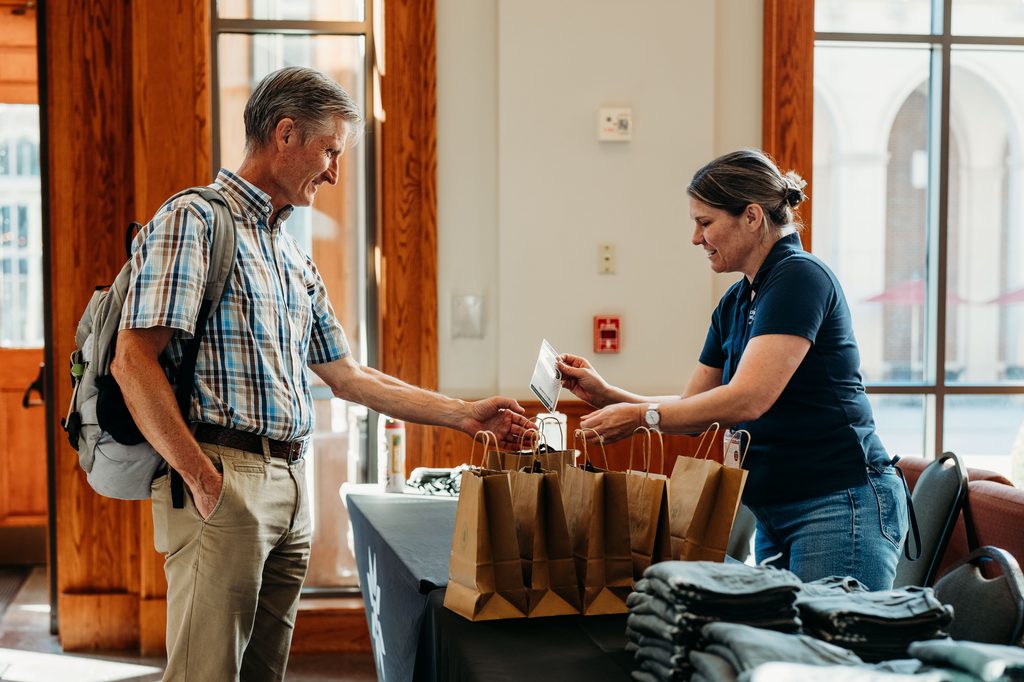
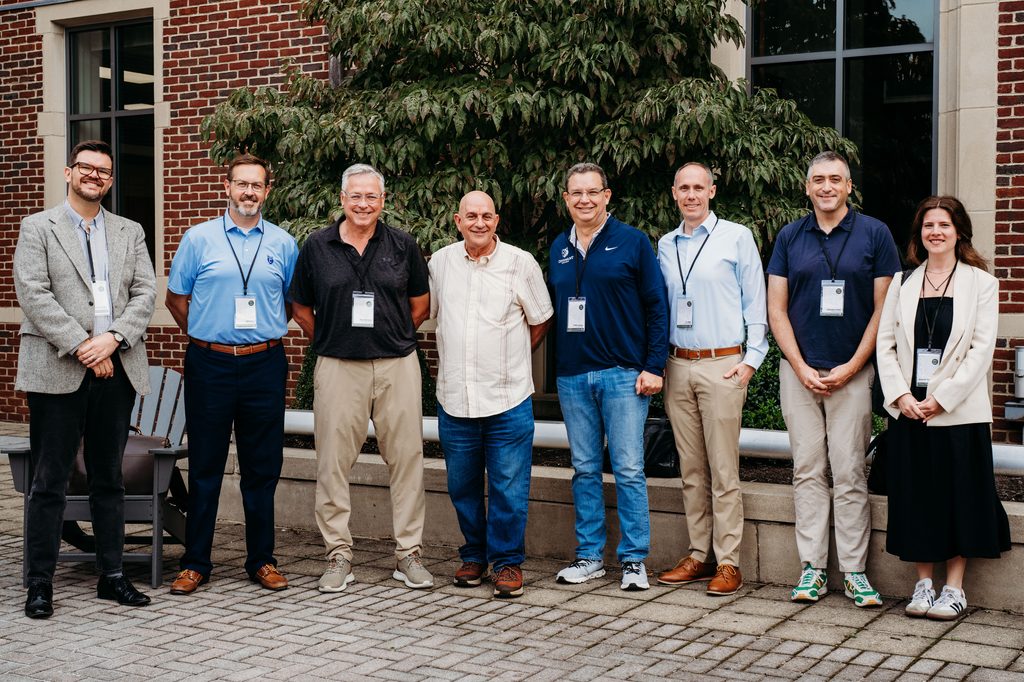
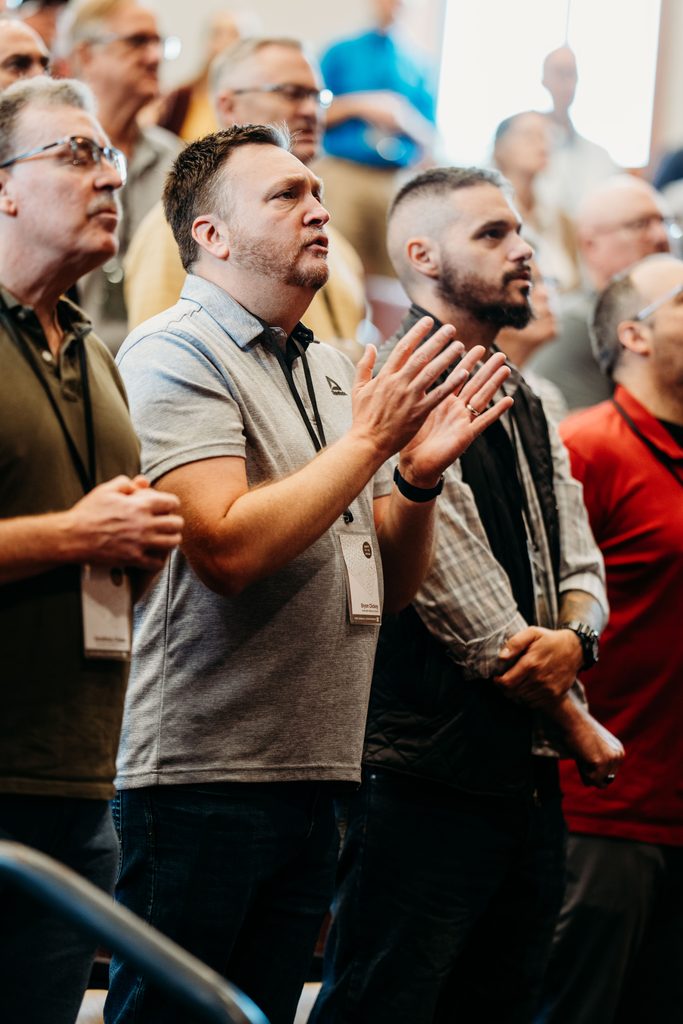
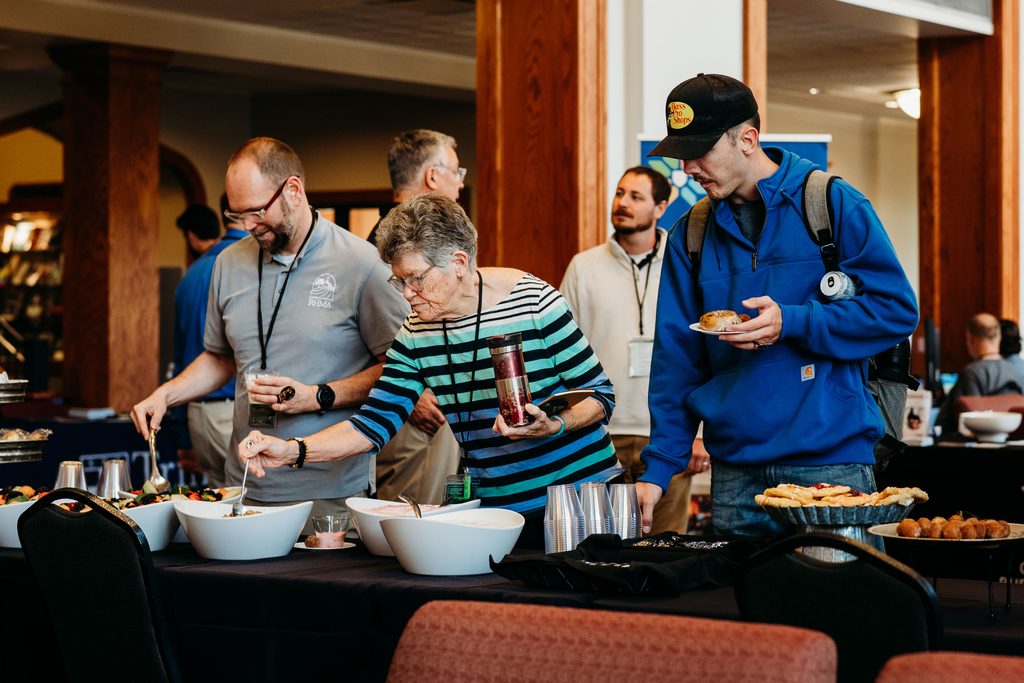
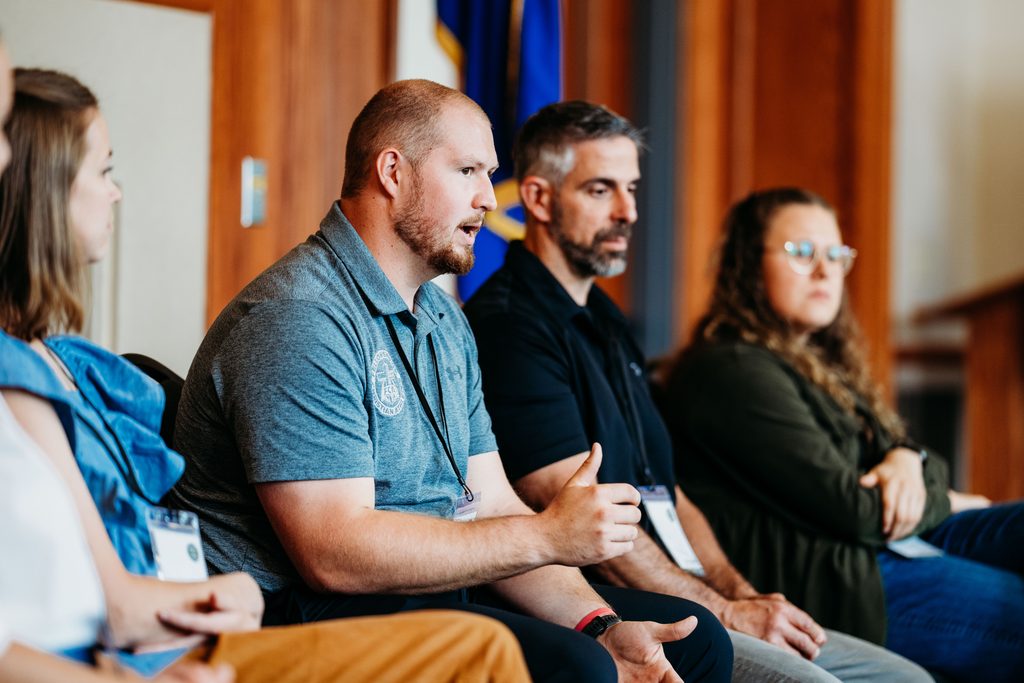
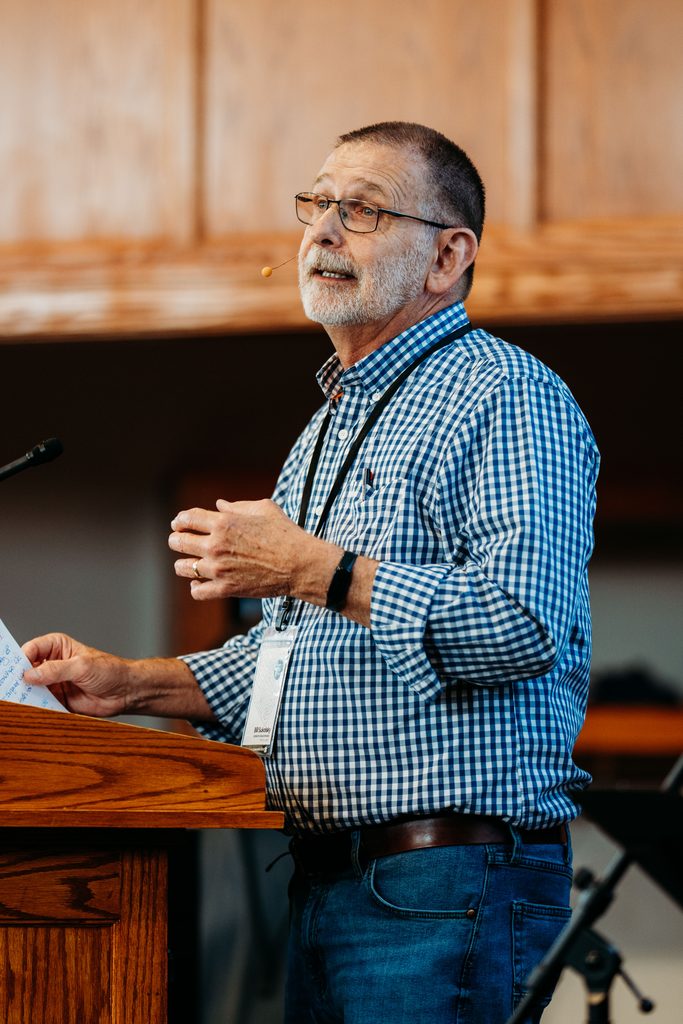
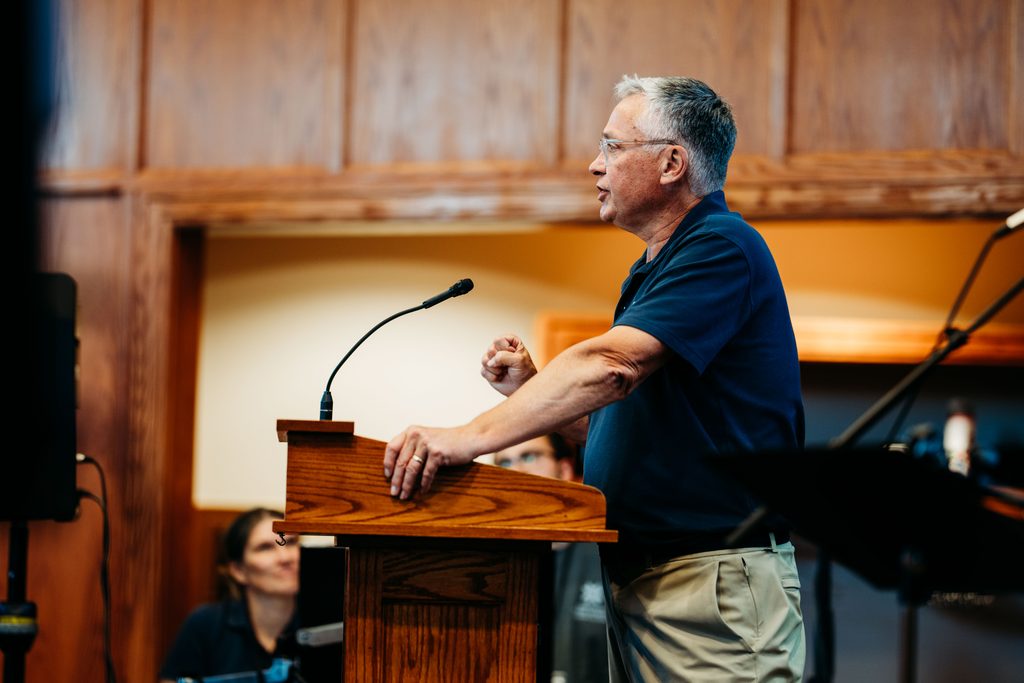
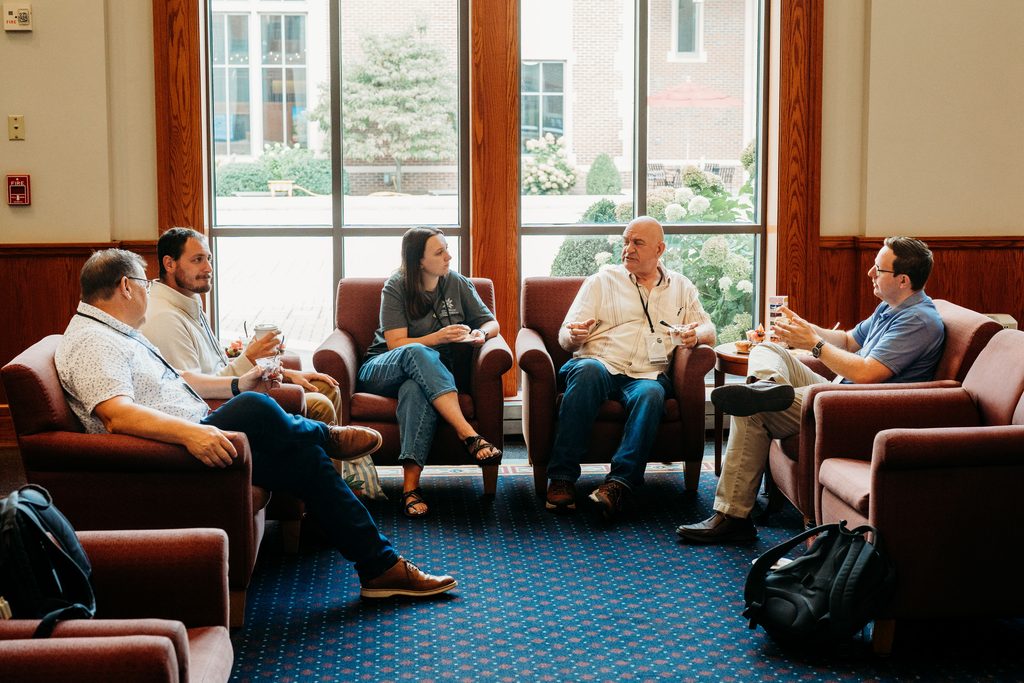
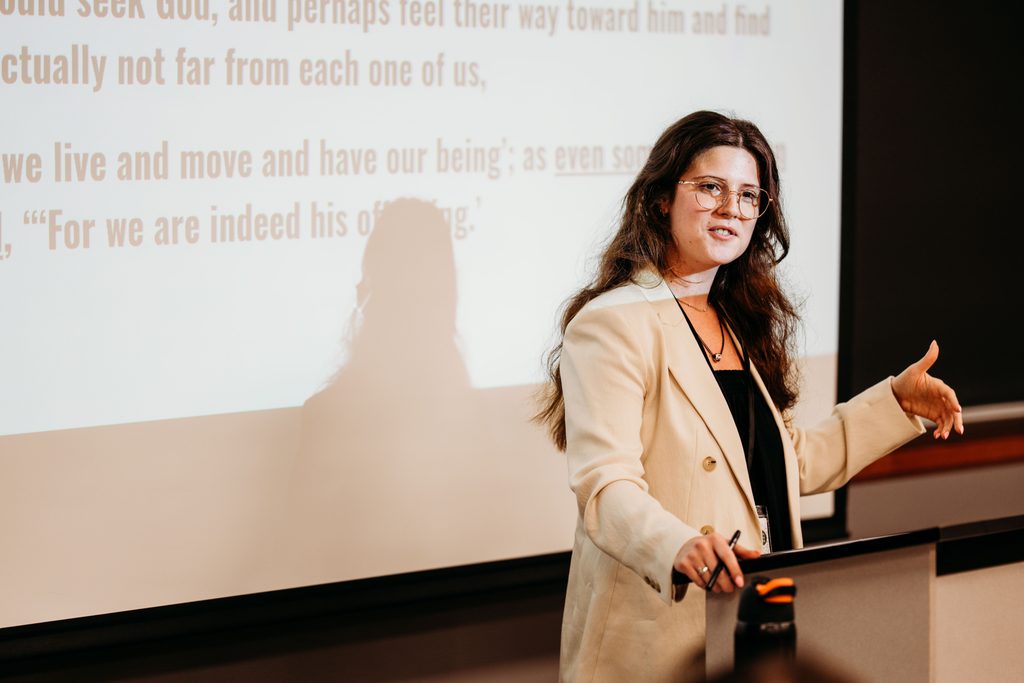
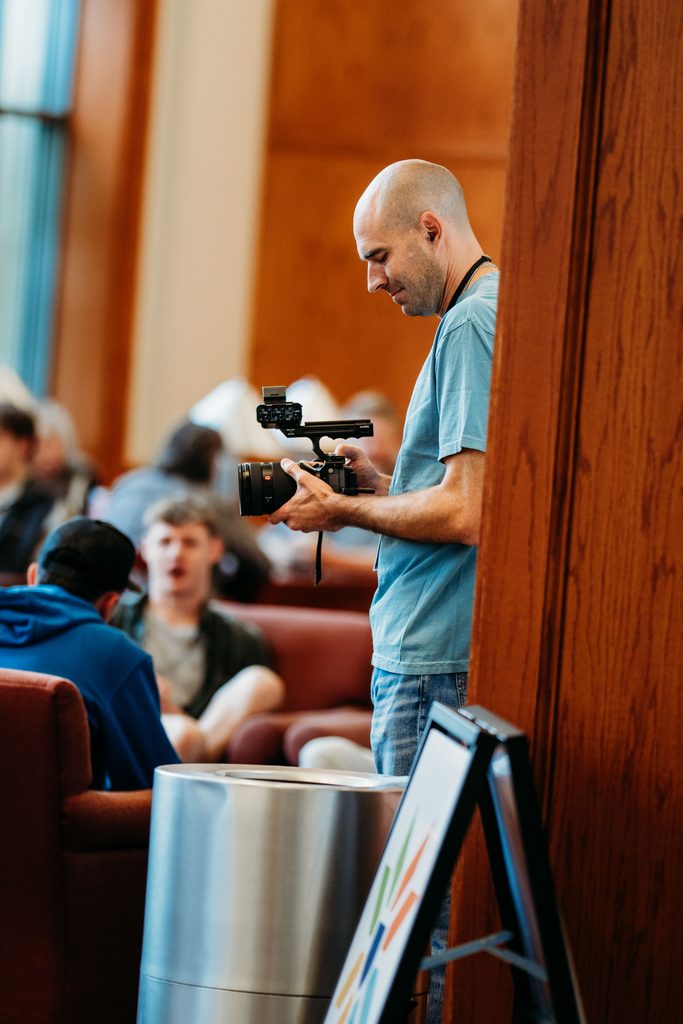
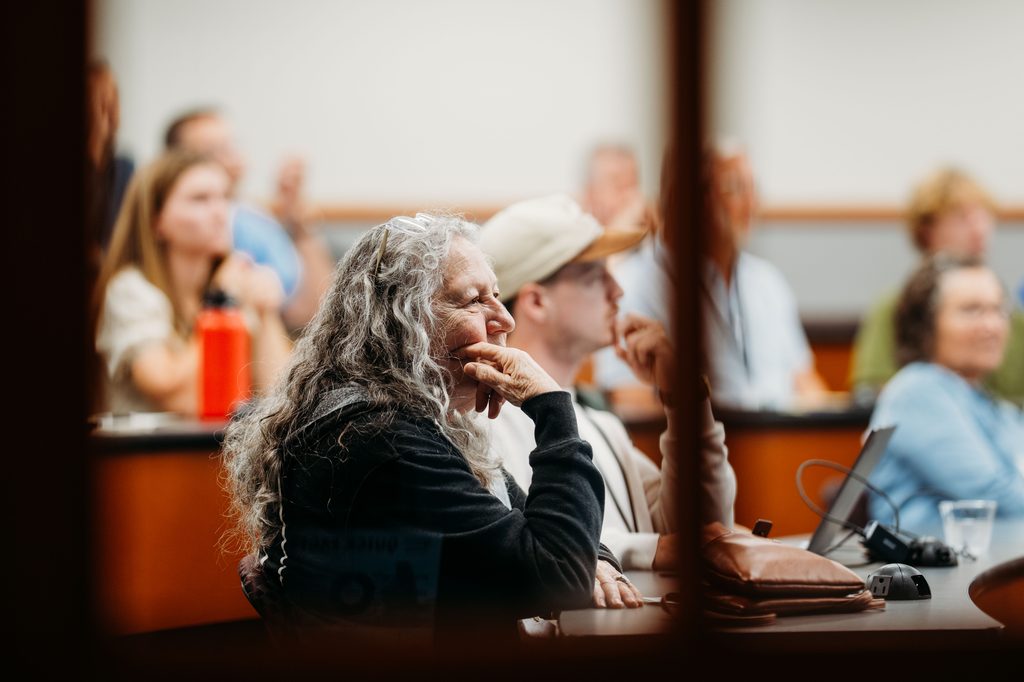
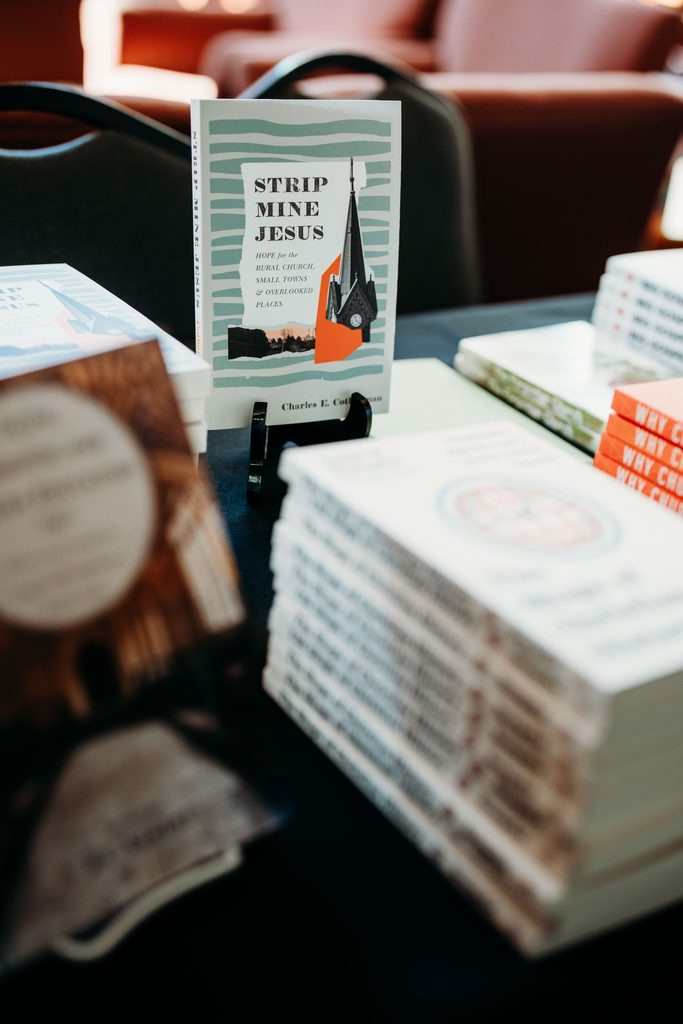
Images from the 2026 CRM Annual Conference

Anastasia Brown is a senior English Secondary Education major at Grove City College. She also serves as writing fellow for the Center for Rural Ministry.

