

Editor's Note: Our mission at the Center for Rural Ministry (CRM) is to "impassion, prepare and support leaders to promote kingdom flourishing in rural and small towns across America through the church." This mission means that at the CRM we care about the work of Christians in all fields who strive to live out their faith by participating in the local church and working to help others in their communities step further into a flourishing life with God and with others. In coming months we will be highlighting the work of several individuals who live out their faith by working to promote holistic flourishing right where they are.
In rural areas, schools are a central point around which much of the community’s culture and activity is oriented. This means teachers have a deeply influential role not only in their students’ lives, but also within towns they live in. We took the time to sit down with a group of teachers from rural areas who also are invested in a church community to talk about how their faith interacts with their vocation. From these interviews, the CRM put together a series of articles highlighting the roles of several teachers within their schools and their churches.
Jason Dunn -- Pastor & Teacher
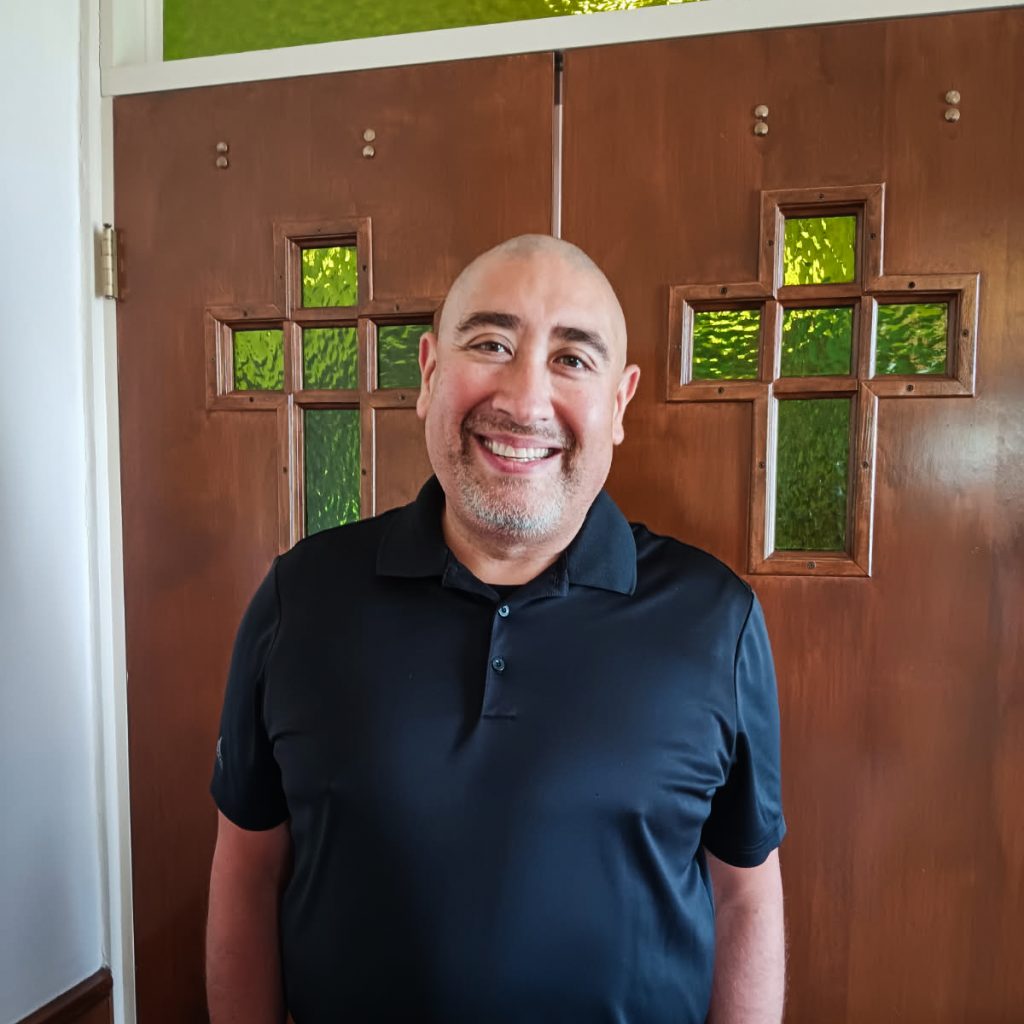
Pastors are looked to as teachers within the church. They are called to explain to their congregations how to live in a way that honors God, to articulate Christ’s character so that His followers may know the God they serve, and to interpret Scripture so that people may understand its message. Harlansburg pastor Jason Dunn teaches from the pulpit Sunday mornings and continues to teach as a middle school special education teacher throughout the week. He has found that not only has his vocation as a pastor informed his job as a teacher, but his job as a teacher also has informed his preaching.
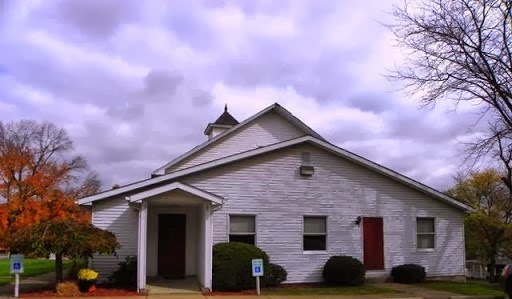
Dunn worked at George Junior Republic, a residential school for boys, as a special education teacher for 12 years before recently moving to the Grove City Middle School. He began serving as the pastor of Harlansburg Presbyterian in October 2021.
Investing His Life in a Place
Growing up in Grove City and being involved in the community as both a pastor and a teacher has given Dunn the unique ability to relate to and understand his students and congregants on a deeper level. His experience has also allowed him to see that students in rural areas face many of the same challenges as students growing up in urban environments including living in poverty, growing up in abusive or broken homes, and even experiencing homelessness. Dunn sees his work in the classroom as an extension of his ministry.
“Seeing my students as sons and daughters of the Father informs how I deal with them on a daily basis. They deserve grace and unconditional love. I can feel secure in the fact that my mission is not only to provide for their educational needs but also to be there to support them emotionally when the need arises. It helps me to understand that they are a work in progress, just like I am a work in progress. I can see my work as ministry, not merely a job,” Dunn said.
Dunn works to be a positive role model for his students and to create a safe environment for them to learn in where their educational, physical and emotional needs are met. He also recognizes that students need support at home, and he works with their families to try to bridge that gap.
A Two-Way Street
Dunn’s work as a special education teacher influences his preaching as much as his faith influences his work in the classroom: “I think ministry is a lot like special education in that you are trying to take complicated mysterious things in Scripture and break them down so that folks can understand it and apply to their daily lives.”
He believes his experience teaching has given him a better ability to make his sermons easier to understand and more applicable to his congregants' lives.
He has also found that his work as a special education teacher has helped form the way he views and interacts with people in his ministry. “In special education, and in ministry, the work is to identify the behaviors that we are observing. I once heard at a professional development seminar that behavior is communication. So many times, we are tempted to address the behaviors and not the source of what our students are really communicating. This parallels the work of ministry. We all exhibit behaviors that are communicating a need or an insecurity or something that is lacking. It takes building relationships and really listening to begin to understand what those needs are. Teaching and ministry are long term relationships in which we build trust and consistency and prove to that we are willing to walk with them.”

Emily Fox is a senior at Grove City College and a CRM Student Fellow. She grew up in Beaver Falls, Pennsylvania and is studying English with minors in Writing and Digital Marketing at the college. Post-grad, she hopes to pursue a career in Public Relations.

