

Whether a church ranges in size from small to large, a big opportunity rests in (re)connecting with the next generation that grows up within the church. When church leadership spends time thinking of the future of their congregation, the young who grow into adults are often missed once they reach young adulthood. Time spent thinking about helping them transition to college, stay connected to the church, and feel valued by their home church can go a long way.
Start with the students who are in high school and heading toward college. A big mistake that many church leaders make is releasing those students to the next stage of life and forgetting that they exist…until they come back home from school. Then they are expected to join the rest of the adults in whatever service opportunities and ministries exist therein. Church leaders who expend a little bit of effort into their next generations, while students are away at college, can expect a greater buy-in from those students when they visit home, and potentially give them greater reason to return to the community that raised them when they graduate from college.
Prepping for the Transition from High School to College
When high school students are approaching graduation and are engaging in the College search, pastors (or youth workers) can spend time coming alongside those students to search for ministry opportunities that are available at the various schools that students are considering. If the school is not a faith-based institution, likely there are campus ministry opportunities. Pastors, youth leaders, and parents can use EveryCampus to search for Gospel Communities at those schools, then help the student connect with the campus ministry professional who is leading that community. Helping students make early connections to Gospel-centered communities is a great way to support the continued development of the next generation of the church.
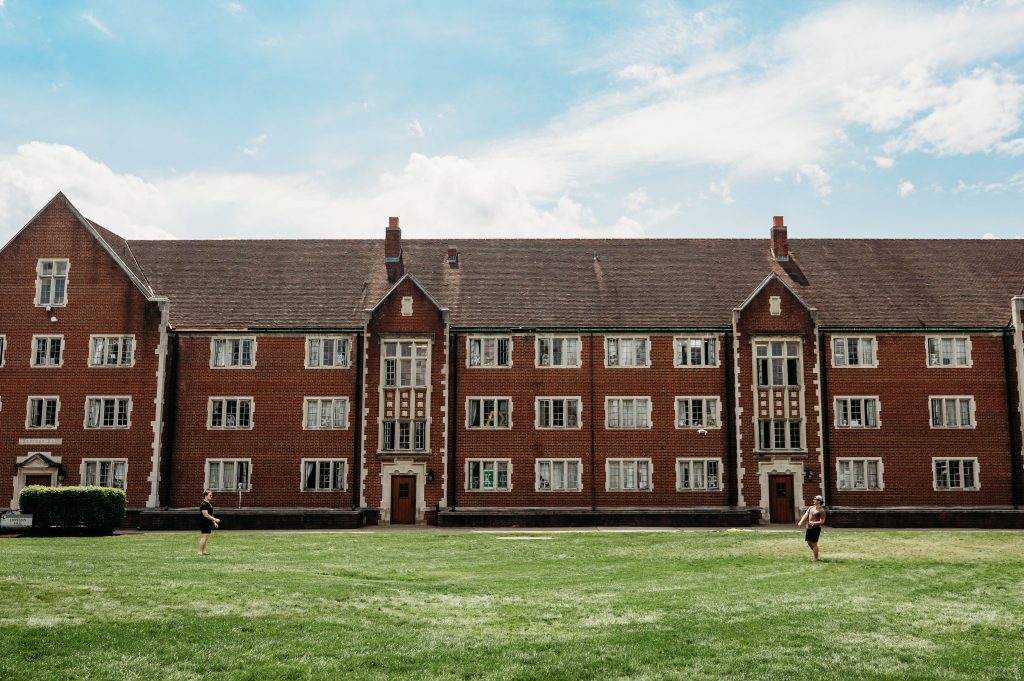
Pastors and youth workers should spend more time discussing the blessings of a Christian higher education. There are over 300 different institutions of Christian Higher Education in the United States alone. Unlike common perceptions, Christian Higher Education can, and is, often just as rigorous as a state school education, but often positions the Christian worldview at the forefront of the education experience. The lens through which students are educated often becomes the lens through which they begin to see the world. Check out websites such as the Center for Academic Faithfulness & Flourishing (CAFF), The Association for Biblical Higher Education, and the Council for Christian Colleges & Universities for great examples of such institutions.
Not every church can afford massive scholarships to help students pay for college, but many churches can use wise financial planning to budget small amounts in a savings account that can be used for small scholarships to support their students. Books are expensive, and small scholarships can make a dramatic difference in this area and help students afford higher education. Additionally, many Christian colleges and universities have various scholarships available for certain denominations or are willing to discuss the creation of new scholarships. Investing in Christian higher education in this way can not only bless the students coming from the sending church, but also other young adults who are the future leaders of America as well.
Remember Them When They’re Gone!
“See you at Christmas!” Whether that’s a phrase that’s used or not, often that is how students feel they’ve received when the church family, and their own family, bid them farewell in August. However, the church that can find ways to remember their college students and bless/support them while they’re being educated can increase the love and affection their students will continue to feel toward their home church communities while they are gone. This does not have to be complicated, although churches should seek to do this excellently.
Care Packages - Start with mid-term and final exam care packages. Ministries such as Christian Care Box partner with various Christian colleges to make this process easier. However, churches can easily appoint someone to assemble shoeboxes of snacks, toiletries, supplies, and maybe a few dollar bills to be used in the student union to show how much they care for their students. Accompanied by handwritten notes and maybe a short devotion from the pastor can make quite an uplifting gift that can help the student get through a tough period of the semester. Churches wanting to take an extra step can strive towards sending one care package a month. College students receiving these will not be ungrateful!
Handwritten Letters - It’s been said that handwritten letters are a lost art, and more students are starting to put their phones down, get off screens, and spend time away from the virtual landscape. Churches that remember their students while they’re away could send simple letters (not emails) to fill their students in on what the community is doing and experiencing, share news from the family, and encourage the students in their educational endeavors. It’s also a great way to elicit information on how the student is faring at school, whether they are engaging with a community of believers while away from home, and to seek additional ways the student can be supported.
Support Student Activities - A great way to continue to support is to find out about what kinds of activities students are engaging in. There are many, many opportunities that they will have while at school, including outdoor adventure trips, service trips, and mission trips. Often, these trips cost extra, and students may or may not be able to fundraise to afford them. Churches that are willing to find out about these opportunities and donate to make them possible (donations do not have to be the full amount but consider a love offering to support the student) can enable students to have experiences that develop them way beyond what their class assignments currently do. Often, these extracurricular experiences can help prepare the student to engage in ministry over the summer or when they graduate, which better prepares them to engage as a member of the body of believers.
Inviting Them to Share
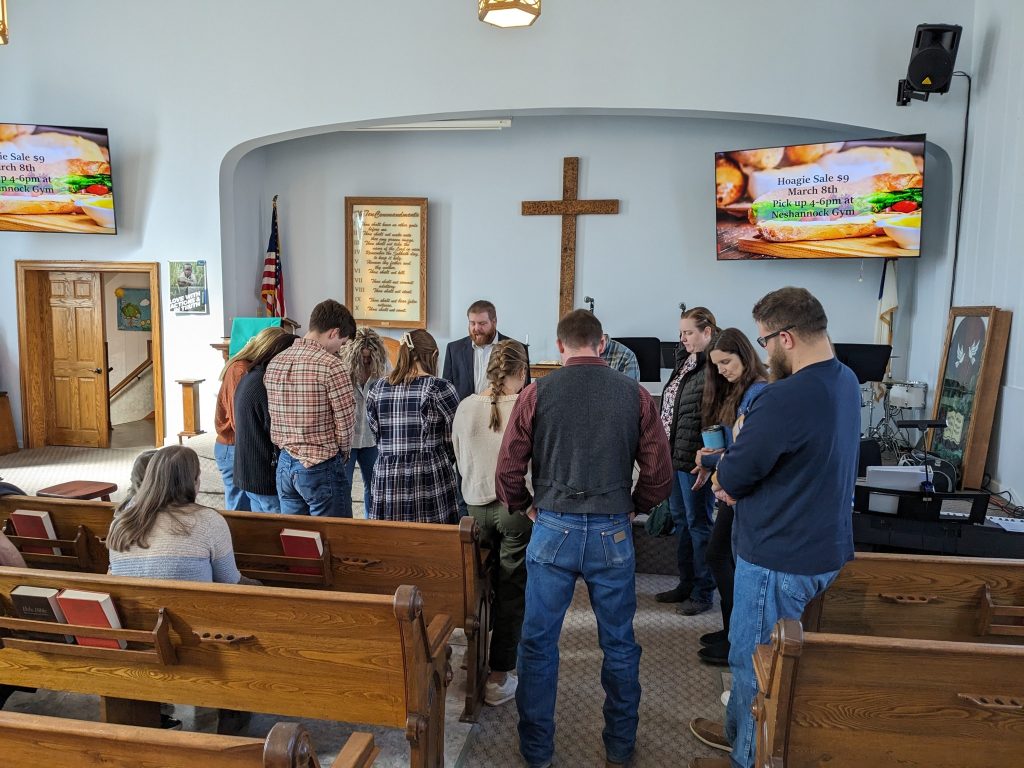
Finally, winter and summer break provides opportunities for church leaders to make space for students to share about their education and the college experiences they are having. This can be as a quick sharing time during a Sunday morning service, a potluck after church, or a special evening dinner organized to invite members of the church to hear from the student. Times of sharing can truly be the building blocks of care for the student and serve as an excellent means for parishioners to find more ways to support and care for their college students.
Ultimately, church leaders and parishioners do not need to long for the College in their town, or the one down the road, to send them students to love and support. They can simply start with the ones they grew up in their community. When those students feel loved and supported, they will seek ways to pay it forward to others. Whether the student returns to living at home or in the community, they are sure to remember the church that raised them and continued to love them as Christ did.

Eric Fehr is the Assistant Dean of Student Life at Grove City College and an Adjunct Professor in the Geneva College Master of Arts in Higher Education program. He also serves as Campus Ministry Liaison for the CRM. Eric is currently pursuing a Doctor of Education in Higher Education Leadership from Union University, where his research is focused on the impact of Greek organization involvement on male student engagement at Christian institutions of higher education. He and his wife have been involved in the local, rural church since they were students at Longwood University and involved in the InterVarsity Christian Fellowship on campus.

